
REVIEW · WALKING TOURS
Malta: Mdina and Rabat Walking Tour with Catacombs
Mdina’s greatest pleasure is not one single monument. It is the way narrow medieval lanes, baroque churches, and golden stone palazzos fit together inside a quiet walled city. This tour adds the underground side of the story in nearby Rabat, with catacombs, St. Paul’s Grotto, and World War II shelters.
I like the strong mix of above-ground sights and included entrances. I also like the guides’ personal style. Matthew, Carmel, Mario, and Dylan are all praised for clear storytelling, humor, and patience with questions. The main catch is simple: this is a walking tour with plenty of standing, and the underground sections may feel airless if you dislike enclosed spaces.
In This Review
- Key points to know before booking
- Mdina, Malta’s old capital in stone
- The narrow lanes and baroque palazzos
- Mdina Cathedral and the view from the walls
- Crossing into Rabat for a fuller story
- Catacombs, St. Paul’s Grotto, and the wartime shelters
- Why the guide makes or breaks this walk
- Timing, comfort, and meeting-point advice
- Is $29 a fair price?
- Who should book this Mdina and Rabat tour?
- Should you book it?
- FAQ
- How long does the Mdina and Rabat walking tour last?
- What language is the tour conducted in?
- Where is the meeting point?
- Are entrance fees included?
- Does the tour include hotel pickup and drop-off?
- What should I bring?
- Is the tour suitable for wheelchair users?
- Can I cancel for a full refund?
Key points to know before booking
- Mdina’s bastion views give you a broad look across central Malta from the island’s old capital.
- Palazzo Falzon, Greeks Gate, and Mdina Cathedral anchor the walk through the city’s most striking streets.
- Rabat adds real depth, with St. Paul’s Grotto, catacombs, and World War II shelters in one visit.
- English-speaking local guides bring different strengths, from Mario’s history-teacher approach to Carmel’s humor and Matthew’s patient explanations.
- The $29 price includes entry fees, making the tour good value if you want context rather than a self-guided stroll.
- Comfortable shoes, water, sunscreen, and a hat matter, especially in warm weather and on a tour that can run close to three hours.
Mdina, Malta’s old capital in stone
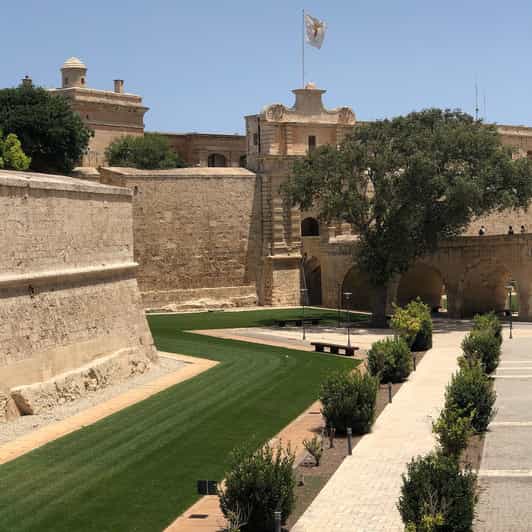
Start outside the Mdina Gate, next to the playing field, and meet your licensed guide before entering the old city. Mdina sits on a central plateau, so its walls and cathedral are visible from a distance. Once inside, the traffic and noise fall away, replaced by pale limestone streets and quiet corners.
Mdina has served as a settlement since at least the Bronze Age. Phoenician and Roman communities used this high ground, and Arab rule helped shape the city’s name and layout. The Normans later made it Malta’s capital. Valletta eventually took that role, but Mdina kept its old form and much of its calm character.
That background matters. Without it, the city can seem like a collection of handsome buildings and empty lanes. With a guide, you begin to see why the location mattered, how power shifted over the centuries, and why Mdina is often called the noble city.
I would pay close attention during the first part of the walk, when your guide sets up this long story. Guides such as Mario, known for his former history-teacher style, and Carmel, praised for humor and clear explanations, help connect the buildings to Malta’s wider past rather than simply naming them.
More mdina tours in Mdina:
- Malta: Highlights of Malta & Mdina Full Day Tour with Lunch
★ 4.4 · 2,688 reviews - Malta: Mdina, Dingli Cliffs and San Anton Botanical Gardens
★ 4.3 · 991 reviews - Mdina and Rabat: Guided City Walking Tour
★ 4.8 · 549 reviews
The narrow lanes and baroque palazzos
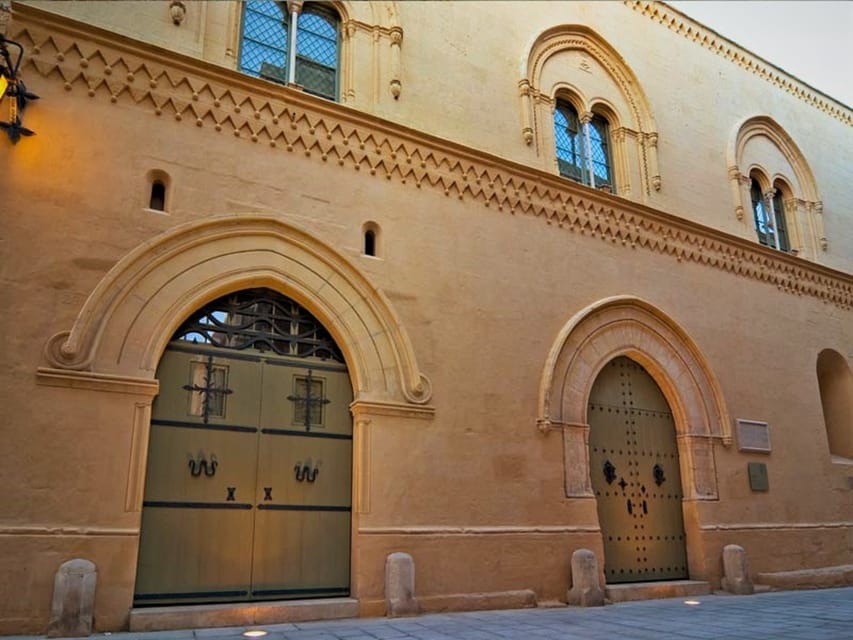
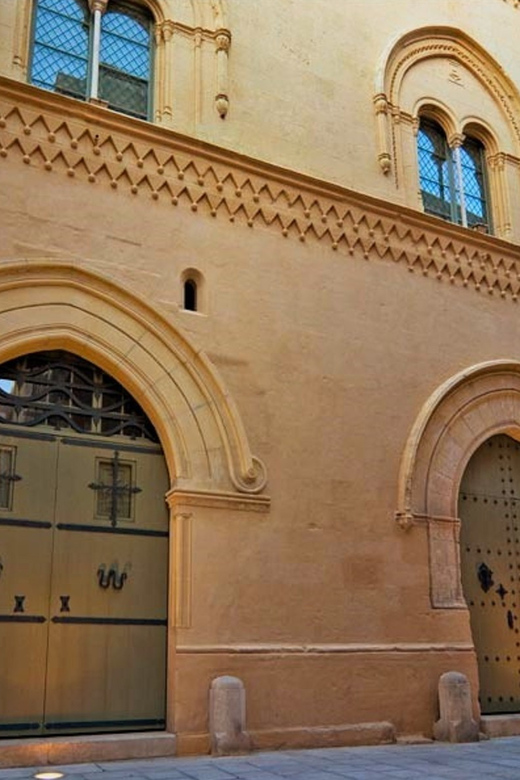
The Mdina walk takes you past several of the city’s best-known landmarks. You will see Vilhena Palace, St. Agatha’s Chapel, the Banca Giuratale, and Palazzo Falzon, along with smaller architectural details that are easy to miss alone.
Palazzo Falzon is especially useful for understanding Mdina’s private side. The grand churches show public wealth and religious power, while the palazzos reveal how important families lived and presented themselves. Your guide can give these façades a human scale, explaining what you are looking at and why it belongs in the story.
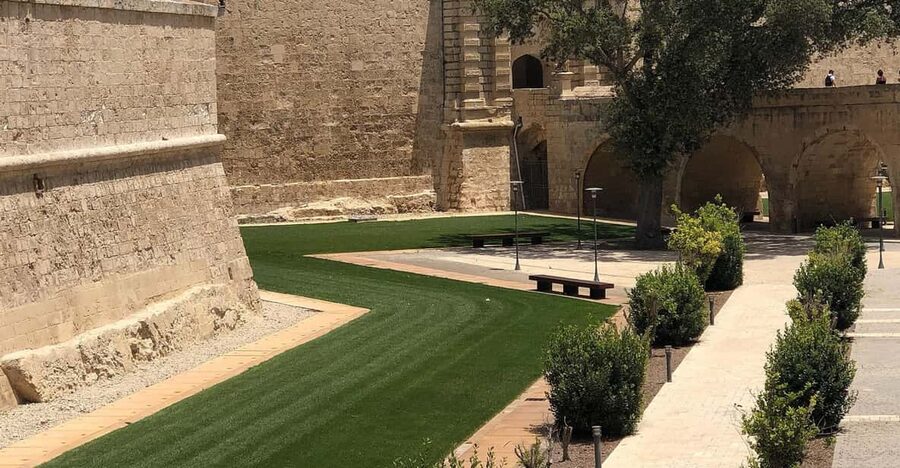
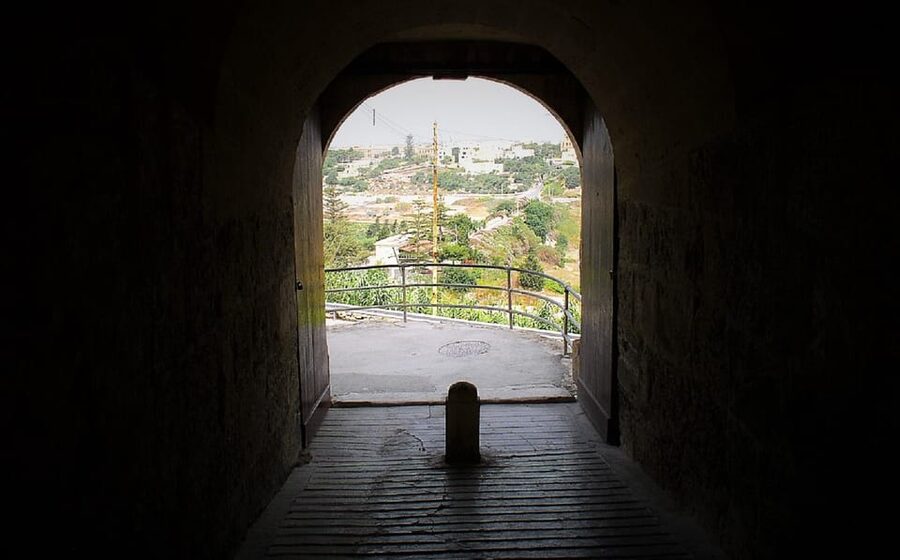
Greeks Gate offers another change of mood. It is one of the city’s famous entrances and a natural place to think about Mdina as a fortified settlement, not just a pretty old town. The city’s walls, gates, and restricted lanes were practical defenses as well as symbols of status.
The streets are not difficult to appreciate, but the surface is old and uneven in places. Wear shoes that you can walk and stand in for several hours. This is not the right outing for anyone hoping to spend most of the time seated or moving at a very relaxed pace.
Mdina Cathedral and the view from the walls
Mdina Cathedral is the visual and religious center of the walk. Its baroque design reflects the city’s rebuilding after the 1693 earthquake, which damaged much of Malta and led to a major period of reconstruction. The cathedral helps explain why Mdina changed in style while keeping its medieval street plan.
The contrast is one of the city’s pleasures. You walk through lanes that follow a very old pattern, then come upon grand baroque façades with a much later look. I like this combination because Mdina does not feel frozen in one period. Its character comes from layers of building and rebuilding.
The bastion walls provide some of the tour’s best outdoor moments. From this raised position, you get wide views over central Malta rather than the close-up details found in the streets. Bring a hat and sunscreen in sunny weather, since this part can feel exposed.
Your guide also helps you read the view. The point is not only to take photographs, but to understand why the city was built on a plateau and why that position made it important for so long. The elevated setting gives Mdina its commanding outline from much of the island.
Crossing into Rabat for a fuller story

The tour then includes Rabat, the town beside Mdina. This is a smart pairing. Mdina can give you aristocratic streets, fortifications, and grand churches, while Rabat adds a more grounded look at burial customs, religious tradition, and wartime life.
I like the balance because you are not asked to spend the whole tour admiring façades. The walk changes pace and subject. Guides have been praised for giving equal attention to both places, with enough local detail to explain how Mdina and Rabat fit together.
Rabat is also where the included admissions become important. The $29 fee covers entrance to the catacombs, St. Paul’s Grotto, and the World War II shelters. If you visited Mdina on your own, you could still see the streets and exterior landmarks, but these indoor and underground stops add a different kind of value.
Allow for the possibility that the advertised two and a half hours may stretch closer to three, depending on the pace of the group and the questions people ask. That is not a problem if you have room in your day, but you should avoid booking a tightly timed transfer immediately afterward.
A few more Mdina trips to weigh up
- Mdina and Rabat Walking Tour inc. Catacombs and St. Paul’s Grotto
★ 5.0 · 341 reviews - Mdina and Rabat – City Walking Tour
★ 5.0 · 215 reviews - Mdina: Private Historical City Walking Tour with Rabat Town
★ 4.5 · 41 reviews - Mysteries and Histories of Mdina – Walking Tour
★ 5.0 · 29 reviews
Catacombs, St. Paul’s Grotto, and the wartime shelters
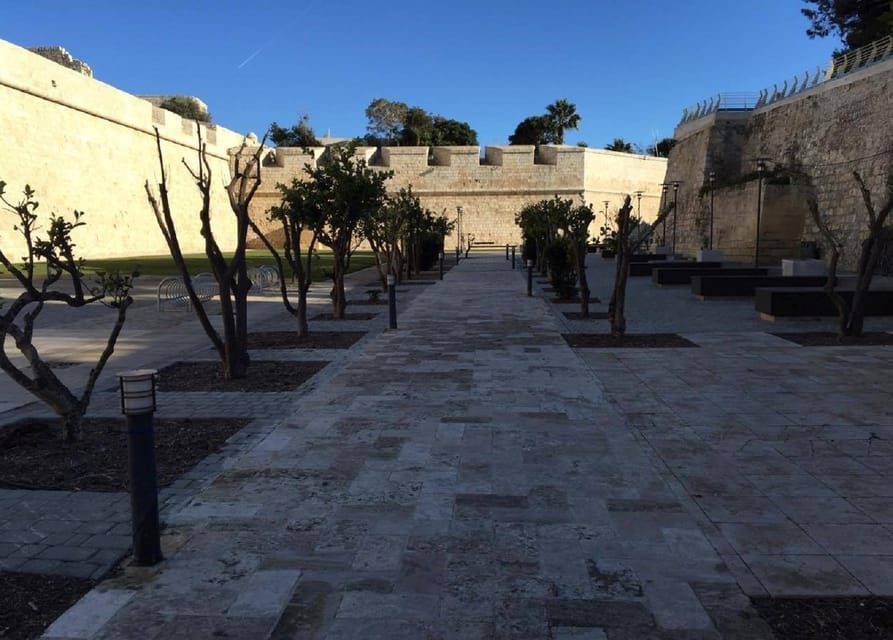
The Rabat portion takes you into the Wignacourt Museum area, where the tour includes three very different sites. The catacombs offer a look at underground burial spaces and early Christian practice. They are not presented only as a spooky attraction. The useful part is seeing how Malta’s communities handled death, memory, and sacred space.
Some people will find the catacombs fascinating. Others may notice the enclosed, airless feel, especially when the group pauses to listen. One guide sensibly explained the conditions before the descent, allowing anyone uncomfortable with underground spaces to make an informed choice. If you are claustrophobic, ask about the route before going below.
St. Paul’s Grotto adds a religious layer to the Rabat visit. It is connected with Malta’s long Christian tradition and gives the guide a chance to explain how faith and local identity developed over time. The site is more meaningful when you hear the story around it, rather than treating it as a quick photo stop.
The World War II shelters provide the most recent historical chapter. Malta’s position made it important during the war, and the shelters show how ordinary people faced that period below ground. Several guides are praised for explaining wartime Malta in a way that is easy to follow, without reducing the subject to dates and military facts.
These stops work well together because each covers a different period. You move from ancient and early Christian burial spaces to religious tradition, then to the very modern fear of air raids. The result is a better sense of how people used the same small area across many centuries.
Why the guide makes or breaks this walk
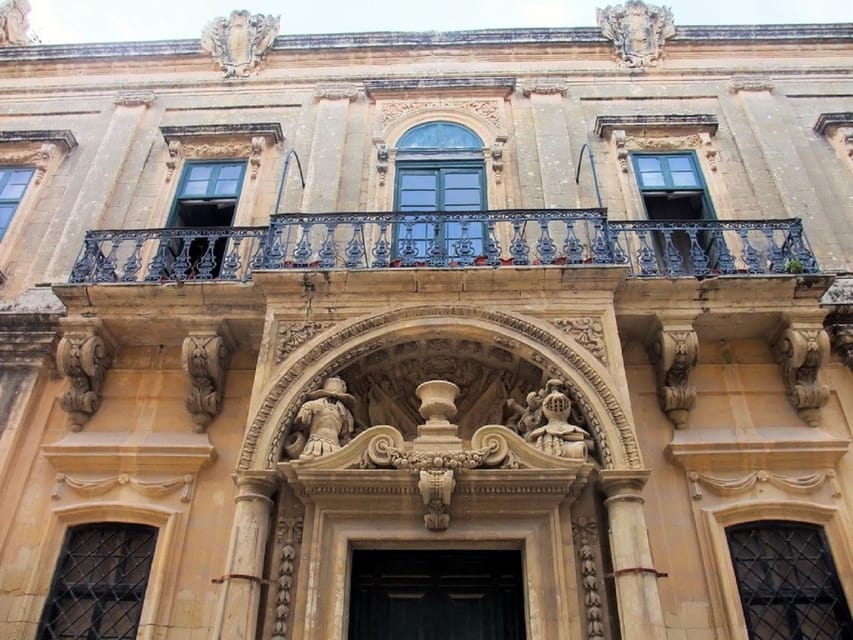
Mdina is attractive enough to explore alone, but its story is scattered across gates, palaces, churches, walls, and side streets. A good guide supplies the links. That is the main reason to book this rather than simply wander with a map.
The guides named in the feedback have distinct strengths. Matthew is repeatedly praised for answering many questions while keeping the group on track. Carmel is known for a warm manner, humor, and useful suggestions for places to eat, buy sweets, or continue sightseeing. Mario brings a teacher’s approach and detailed explanations, while Dylan is described as both funny and clear.
Allysia and other local guides have also been praised for fluent delivery, charm, and passion for Malta. The exact guide depends on the departure, so you should not book expecting one particular person unless the operator confirms it. Still, the consistent pattern is encouraging: the tour relies on local guides who explain rather than recite.
I especially value the willingness to answer questions. You can ask about architecture, religion, wartime life, local customs, or the relationship between Mdina and Rabat. That flexibility helps the walk suit first-time visitors, while people who have already seen the towns can still gain new context.
Timing, comfort, and meeting-point advice
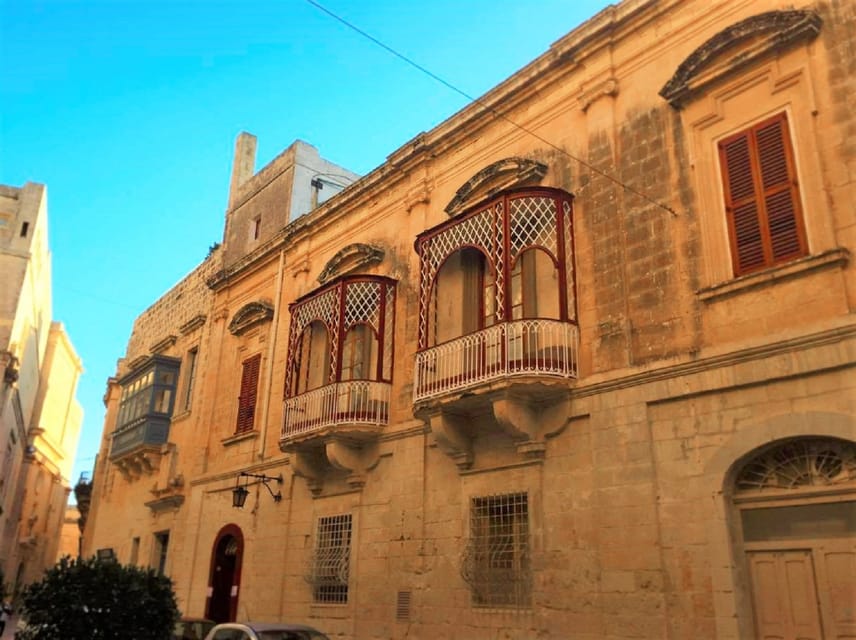
The meeting point is outside the Mdina Gate, beside the playing field. Get there with enough time to identify your guide and group. One person had trouble finding the point and received help through WhatsApp, while another group was assisted after public transport problems. Support can be useful, but you should still allow extra time for the journey.
The activity is listed as wheelchair accessible, yet the same information says it is not suitable for wheelchair users or people with mobility impairments. Treat that as a warning to verify the current route before paying. A walking tour through old streets, combined with underground sites and extended standing, may not suit every mobility need.
Bring water, sunscreen, a sun hat, comfortable clothing, and sturdy walking shoes. Food and drinks are not included, so carry what you need for the morning or afternoon. Gratitude for the guide is optional, and hotel pickup and drop-off are not included.
Weather can shape the day. Rain does not necessarily cancel the walk, and guides may use covered areas during the wettest periods, but a rain poncho is sensible. In hot weather, the bastion walls and open streets may feel bright and exposed, while the underground stops offer shade but less fresh air.
Is $29 a fair price?
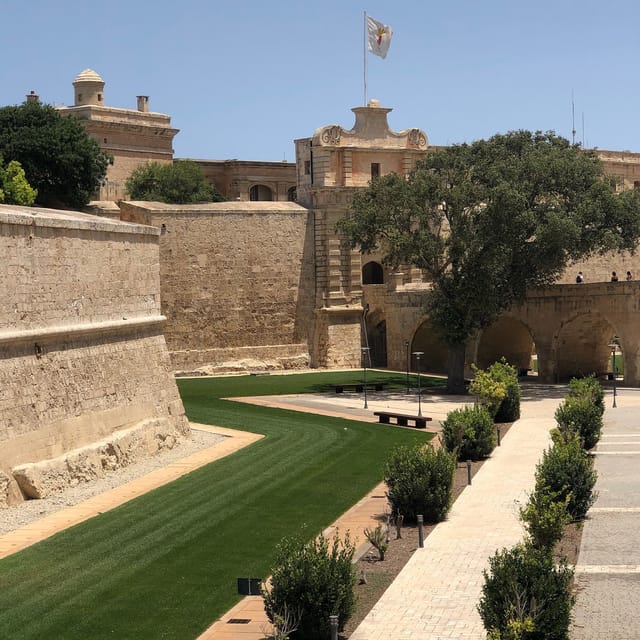
At $29 per person, the tour is reasonably priced for a licensed guide plus three included admissions. The value is strongest if you want explanation and structure. You get the main Mdina sights, a Rabat walk, and entry to places that would otherwise require separate planning.
The tour is less useful if you prefer to move at your own speed or spend a long time inside one church or museum. Two and a half hours is enough for a strong introduction, but not enough for every detail in Mdina and Rabat. One person wished for more time because the guide had so much to share.
I would also count the saved planning time. You do not need to decide which Rabat sites fit together, compare admission costs, or work out how Mdina’s buildings connect to Malta’s history. For a first visit, that makes the fee feel fair.
The best timing depends on your day, but an earlier departure has practical appeal. One guide suggested that Mdina and Rabat can feel quite deserted at night. Daylight also helps you appreciate the bastion views and architectural details.
Who should book this Mdina and Rabat tour?
I would choose this tour if you are visiting Malta for the first time and want a clear introduction to the island’s past. It suits you especially well if you enjoy history, architecture, religious sites, and wartime stories more than shopping or free time.
It also works for repeat visitors who have walked Mdina before but felt they missed the meaning behind the buildings. The commentary can turn a familiar route into a more connected story.
Families with very young children should think carefully. The walk includes plenty of information, standing, and underground sightseeing, so children who need constant activity may lose patience. Older children with an interest in forts, burial places, or World War II may find the variety more appealing.
You should skip it if you have serious mobility limits, dislike enclosed spaces, or want a short photo stop. You should also leave room after the tour if you want lunch, sweets, or more museum time in Rabat, as the walk gives you useful ideas for continuing independently.
Should you book it?
Book this tour if you want Mdina to make sense, not just look beautiful. The combination of Mdina’s gates, palazzos, cathedral, and walls with Rabat’s catacombs, grotto, and wartime shelters gives you a solid two-and-a-half-hour introduction to a central part of Malta.
The strongest reason to go is the guiding. Matthew, Carmel, Mario, and Dylan have each been praised for clear explanations, humor, local insight, and a good pace. Just remember that the route involves walking and standing, the catacombs may feel airless, and the exact guide is not guaranteed.
For $29, with admissions included, I consider it a good choice for history-minded visitors who want structure and local context. Wear good shoes, bring water, and do not schedule your next commitment too tightly.
FAQ
How long does the Mdina and Rabat walking tour last?
The stated duration is 2.5 hours. Some outings may run closer to three hours, depending on the pace and questions from the group.
What language is the tour conducted in?
The live tour guide speaks English.
Where is the meeting point?
Meet your guide outside the Mdina Gate, next to the playing field.
Are entrance fees included?
Yes. Entry to the catacombs, World War II shelters, and St. Paul’s Grotto is included.
Does the tour include hotel pickup and drop-off?
No. Hotel pickup and drop-off are not included.
What should I bring?
Bring comfortable shoes, a sun hat, sunscreen, water, food, and comfortable clothes.
Is the tour suitable for wheelchair users?
The activity information gives conflicting accessibility details. It is marked wheelchair accessible but also says it is not suitable for wheelchair users or people with mobility impairments. Confirm the current route before booking.
Can I cancel for a full refund?
Yes. You can cancel up to 24 hours in advance for a full refund. You can also reserve now and pay later.
Just added around Mdina
- Malta: 5 hr Vintage Bus Tour – Mdina & Blue Grotto inc. food★ 5.0 · 22 reviews
- Valletta & Mdina: Private Tour★ 4.5 · 16 reviews
- Shore Excursion: Private Full-Day Tour of Valletta & Mdina★ 5.0 · 4 reviews
- Private Tour in Malta Prehistoric Temples & Mdina★ 5.0 · 4 reviews
- Rabat Mdina and San Anton Gardens Group Tour with St. Paul’s Catacombs★ 3.5 · 16 reviews
- Valletta, Mosta and Mdina Night Tour★ 3.5 · 15 reviews
- Malta Shore Excursion: Private tour of Valletta and Mdina★ 4.5 · 8 reviews
- Malta Private tour: 5hr Mosta Dome, Mdina, Dingli Cliff’s & Blue Grotto★ 4.5 · 36 reviews
Walking Tours, compared.




Guided Walking Tour with Optional Cathedral Tour
Read our review →
The Valletta Street Food and Culture Walking Tour
Read our review →
Browse the lists this tour appears in