REVIEW · CITY TOURS
Mdina at Sunset: Small Group Tour of the Ancient city
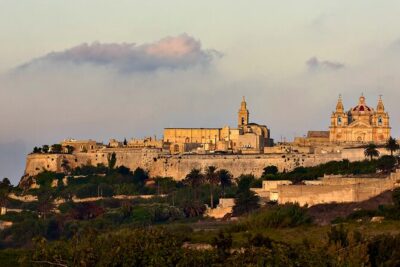
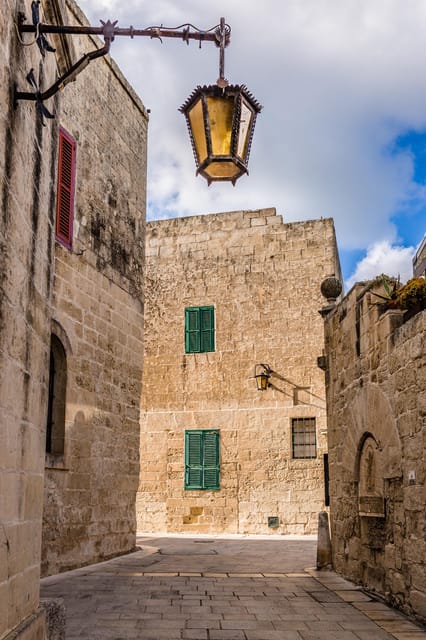
Mdina changes character as daylight fades. The old capital’s pale stone walls catch the last sun, then lanterns begin to glow along narrow lanes. With groups limited to eight, you can hear your guide and pause without the shuffle of a large crowd.
I like the mix of Malta’s past and present, from knights and city walls to ordinary island life. I also like the route’s variety: viewpoints, grand buildings, quiet alleys, the cathedral, and filming locations connected with Game of Thrones. The main thing to consider is the walking. Two hours on uneven cobblestones calls for good shoes, and the tour runs in all weather.
In This Review
- Key points at a glance
- Why Mdina works especially well at sunset
- Piazza del Bastione and the city’s high views
- Mdina Cathedral and the city’s religious center
- Palazz Vilhena and Mdina’s formal side
- Carmelite Priory and the feel of everyday Mdina
- Greek’s Gate and the final walk through the lanes
- Ani’s guiding style and the value of a small group
- What $49 gets you
- Who should book this Mdina walk?
- Should you book it?
- FAQ
- Where does the Mdina sunset tour begin?
- Where does the tour finish?
- How long is the tour?
- What time does the tour start?
- What language is the tour conducted in?
- How large is the group?
- What is included in the price?
- Are food and drinks included?
- Can I take photographs?
- What should I wear?
Key points at a glance
- Sunset timing gives Mdina a different mood: Watch the stone city shift from warm evening light to lamp-lit streets.
- Ani leads an English-language tour: Her style combines history, humor, personal stories, and modern details about Malta.
- A genuinely small group: With no more than eight participants, it is easier to ask questions and keep a steady pace.
- The route covers major and lesser-known corners: You visit Piazza del Bastione, Mdina Cathedral, Palazz Vilhena, the Carmelite Priory, and Greek’s Gate.
- Film fans get extra context: The walk includes Mdina locations used in Game of Thrones and other productions.
- The $49 price buys interpretation, not just access: You pay for a focused two-hour walk with a licensed guide rather than simply wandering past old buildings.
Why Mdina works especially well at sunset
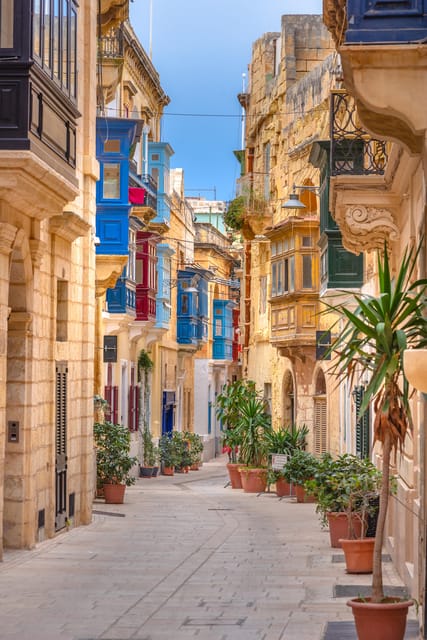
Mdina is not a city you rush through. Its appeal comes from the way the whole place fits together: fortified walls, honey-colored stone, quiet lanes, formal squares, and long views across Malta. At sunset, the setting becomes part of the lesson.
You begin at Mdina Gate, meeting by the lion pillars at the entrance to the Main Gate. This is a clear meeting point, but give yourself enough time to find it. The tour returns here at the end, so you do not need to work out a new pickup location afterward.
The early evening schedule matters. In full daylight, you can study the city’s architecture clearly. As the sun drops, you get a second experience as lamps come on and the streets become more atmospheric. The exact start time depends on availability, so check the time when booking, especially if seeing the sunset itself is important to you.
This is also a useful time for photography. Pictures are allowed, but flash photography is not permitted in certain indoor areas. Bring a phone or camera, but keep your attention on the guide as well. Mdina’s narrow lanes can look similar, and the stories help you understand why the city feels so carefully preserved.
More mdina tours in Mdina:
- Malta: Highlights of Malta & Mdina Full Day Tour with Lunch
★ 4.4 · 2,688 reviews - Malta: Mdina and Rabat Walking Tour with Catacombs
★ 4.8 · 1,126 reviews - Malta: Mdina, Dingli Cliffs and San Anton Botanical Gardens
★ 4.3 · 991 reviews
Piazza del Bastione and the city’s high views
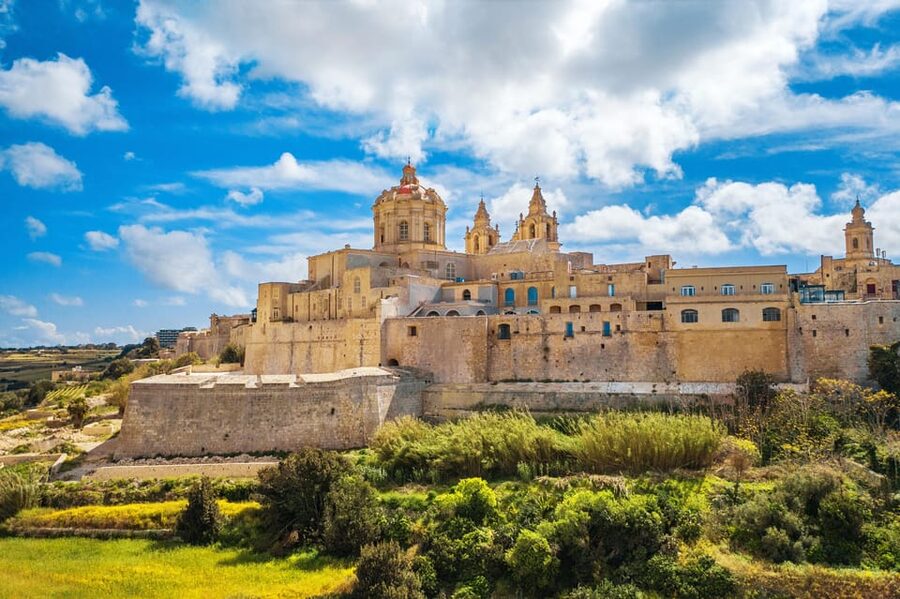
The first guided stop is Piazza del Bastione, where Mdina’s defensive character becomes easier to read. A bastion is more than a handsome stone platform. It helps explain how the former capital was protected and why views beyond the walls mattered so much.
Your guide uses this part of the walk to set the scene for Malta’s past. You hear about the people and powers that shaped the island, including knights, rulers, and the political role Mdina once held. The value here is context. Without it, a stone wall is just a stone wall. With a good explanation, the fortifications become part of a larger story about control, status, and daily life.
This is likely one of the better places for broad views, but do not expect a long viewpoint stop with unlimited time for photographs. Two hours is enough for a well-paced introduction, not for lingering at every angle. If you want extensive photography, return after the tour or allow extra time before meeting the group.
Mdina Cathedral and the city’s religious center
The route continues to Mdina Cathedral, one of the city’s central landmarks. The guide gives you a chance to understand the cathedral’s place in Mdina rather than simply pointing out its facade.
The tour information notes that flash photography is not allowed inside certain areas, so follow local instructions and be prepared for a quieter visit. Religious sites reward a respectful pace. Listen for the architectural and cultural details, then take photographs only where permitted.
A guided stop here is useful if you are not familiar with Maltese religious architecture. You may notice details on your own, but a guide can connect the building to the city around it. Ani’s approach, based on the experience information, includes enough history to make the monument meaningful without turning the walk into a list of dates.
One point to keep in mind is pace. A two-hour route covering several places means the cathedral stop is part of a wider walk. If you want a very detailed cathedral visit, you may prefer to set aside separate time for it.
Palazz Vilhena and Mdina’s formal side
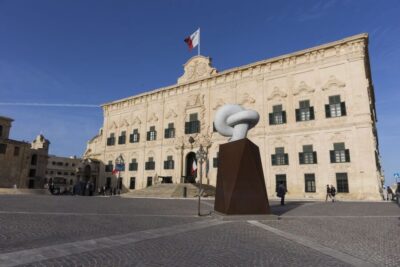
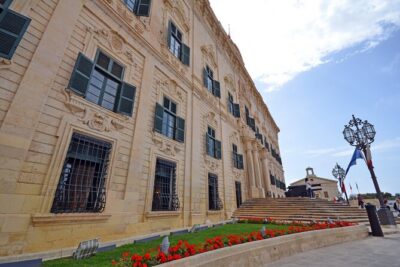
Palazz Vilhena adds a different note to the tour. After the defensive setting of the bastion and the religious focus of the cathedral, this stop brings attention to Mdina’s grander civic and aristocratic character.
The contrast is one of the walk’s strengths. Mdina is not only a maze of medieval-looking lanes. It also has formal buildings that show how authority and social rank were expressed through architecture. Your guide discusses the building as part of Mdina’s wider development, helping you see how the city served more than one purpose.
This is where a local guide earns the price of admission. You can photograph an ornate facade in seconds. Understanding who used a building, what role it played, and how it relates to Malta’s changing society takes longer. Ani’s style is described as lighthearted and energetic, which should help keep this material from feeling heavy.
If you are particularly interested in architecture, listen for the links between stonework, street layout, and the city’s defensive position. The tour does not promise a specialist architectural lecture, but it gives you a useful framework for noticing these features.
A few more Mdina trips to weigh up
- Mdina: Valletta Waterfront Area, Mdina, and Rabat Night Tour
★ 4.3 · 302 reviews - Valletta, Mdina, and Mosta Night Tour with 5D Show
★ 3.9 · 90 reviews - Malta By Night – Valletta, Birgu, Mdina & Mosta
★ 4.5 · 31 reviews - Guided Night Tour of Valletta Waterfront, Mdina and Rabat
★ 4.5 · 22 reviews
Carmelite Priory and the feel of everyday Mdina
The Carmelite Priory offers another change of subject. Here, the walk can move beyond major political events and into religious life, community traditions, and the way people used Mdina’s buildings.
That broader approach is important. A good city walk should explain more than famous names. The experience also touches on anthropology, pop culture, and everyday life on Malta. In plain terms, you get some sense of how people lived, worshipped, moved through the city, and still relate to Mdina today.
You may find this part especially rewarding if you have already seen the main monuments and want more than a checklist. One participant who had visited Mdina several times found this tour more informative than earlier visits, which points to the value of interpretation rather than novelty alone.
The priory also contributes to the route’s changing mood. The tour moves between open views, major facades, quiet corners, and small lanes. That variety keeps the two hours moving, though it also means you should not expect long stops at every building.
Greek’s Gate and the final walk through the lanes
Greek’s Gate is the last named stop before the group returns to Mdina Gate. It helps complete the picture of Mdina as a fortified city with more than one entrance and more than one layer of identity.
The gate also fits the tour’s interest in film locations. Mdina has been used for Game of Thrones and other productions, and the guide points out places connected with filming. This is a pleasant bonus, even if you are not a dedicated fan. Film connections give you a fresh way to look at familiar stone streets, while the older history remains the main subject.
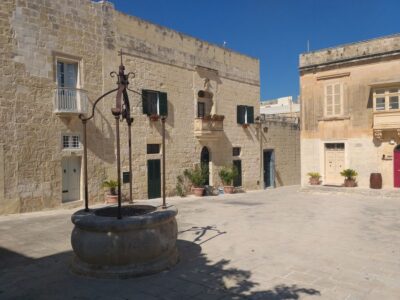
The narrow lanes between stops are just as important as the official landmarks. They are where Mdina’s Silent City nickname makes sense. You get the feeling of moving through a place built for foot traffic, not modern vehicles and hurried schedules.
Watch your footing. Cobblestones are part of Mdina’s charm, but they can be tiring or awkward in thin soles. The walk is not described as difficult, yet there is a lot of walking, and rain can make old stone less comfortable. The tour operates in all weather, so bring clothing that suits the forecast.
Ani’s guiding style and the value of a small group
The strongest part of this experience is the guide. Ani is repeatedly described as warm, funny, well prepared, and easy to understand. Her style combines Malta’s history with personal stories, current life, restaurant suggestions, and general conversation. That combination helps the city feel lived in rather than sealed behind museum glass.
You should expect an active presentation rather than a slow, formal lecture. One visitor found that Ani spoke and moved quickly, but also recognized that this helped her fit a great deal into two hours. If you prefer a very leisurely stroll with long silent pauses, the pace may feel brisk. If you want a lot of useful information in a short visit, it works in your favor.
The group size makes a real difference. Eight people is small enough for questions, eye contact, and a more personal pace. It also gives you a better chance of hearing the guide in narrow streets. Large groups can lose the mood of Mdina, especially when the guide has to repeat every point.
The setting remains public, so this is not a private tour. You will still share the streets with other people, and the experience cannot control the weather or how crowded a particular spot feels. The small-group format simply reduces the usual friction.
What $49 gets you
At $49 per person, this is priced as a focused walking experience rather than a basic orientation. The two-hour duration gives you a solid introduction to Mdina without taking up an entire day in Malta.
The price includes a licensed English-speaking guide, the guided Mdina walk, a small group of up to eight, and the discussion of history, culture, architecture, and filming sites. Food and drinks are not included. You may have chances to buy refreshments during the tour, but plan to eat before or after if you need a full meal.
I consider the price fair for first-time visitors who want help making sense of Mdina. You could walk the streets for free, but you would miss much of the background that ties the cathedral, palaces, gates, fortifications, and daily life together. The value is highest when Ani is able to answer your questions and adjust the conversation to the group.
It is less useful if you have already spent several hours studying Mdina independently and only want unstructured photography time. In that case, the fixed route and steady pace may feel limiting. For most visitors, though, the small group and sunset setting make the cost reasonable.
You can reserve now and pay later, and cancellation is free up to 24 hours in advance for a full refund. Those terms are handy when your Malta plans depend on weather or changing arrival times.
Who should book this Mdina walk?
I would choose this tour if you are visiting Mdina for the first time, want a clear introduction to Malta’s past, or enjoy learning from a local guide instead of reading signs as you go. It also suits repeat visitors who saw the city before but want more context and stories.
Families can make good use of it, especially if older children or teenagers lose interest during unstructured sightseeing. The route has film connections, strong visual points, and a guide with an engaging manner. Still, the two-hour walk and cobblestones may not suit very young children or anyone who struggles with uneven surfaces.
Photography fans should like the timing and stone streets, but keep your camera ready rather than expecting a dedicated photo tour. History lovers will appreciate the range of subjects, though the format favors a lively overview over specialist detail.
Wear comfortable walking shoes and dress for the weather. Since the tour runs in rain or shine, a light waterproof layer can save the evening. Also remember that sunset times change through the year, so check the scheduled start and do not assume every departure will match the exact moment the sun disappears.
Should you book it?
Book this tour if you want Mdina to make sense, not just look beautiful. Ani’s mix of clear history, humor, local perspective, and modern culture gives you more than a walk past old stone buildings.
Skip it only if you prefer to explore entirely alone, need a very slow pace, or want to spend the full evening inside one monument. At $49, with a two-hour route and a maximum of eight people, this is a sensible choice for a first visit, especially at sunset when Mdina shifts from bright stone to quiet lamp-lit streets.
FAQ
Where does the Mdina sunset tour begin?
Meet by the lion pillars at the entrance to Mdina’s Main Gate.
Where does the tour finish?
The walk returns to Mdina Gate, the starting location.
How long is the tour?
The guided experience lasts two hours.
What time does the tour start?
Starting times vary. Check availability for the date you want to book.
What language is the tour conducted in?
The live tour guide speaks English.
How large is the group?
The group is limited to eight participants.
What is included in the price?
The price includes the guided Mdina tour, a licensed guide, the small-group format, filming locations, and information about Mdina’s history, culture, and architecture.
Are food and drinks included?
No. Food and drinks are not included, though there are opportunities to purchase refreshments during the tour.
Can I take photographs?
Yes, photography is allowed. Flash photography is not permitted inside certain areas.
What should I wear?
Wear comfortable walking shoes because the route includes substantial walking on cobblestone streets. Dress appropriately for the weather because the tour operates in all conditions.
Just added around Mdina
- Malta: 5 hr Vintage Bus Tour – Mdina & Blue Grotto inc. food★ 5.0 · 22 reviews
- Valletta & Mdina: Private Tour★ 4.5 · 16 reviews
- Shore Excursion: Private Full-Day Tour of Valletta & Mdina★ 5.0 · 4 reviews
- Private Tour in Malta Prehistoric Temples & Mdina★ 5.0 · 4 reviews
- Rabat Mdina and San Anton Gardens Group Tour with St. Paul’s Catacombs★ 3.5 · 16 reviews
- Valletta, Mosta and Mdina Night Tour★ 3.5 · 15 reviews
- Malta Shore Excursion: Private tour of Valletta and Mdina★ 4.5 · 8 reviews
- Malta Private tour: 5hr Mosta Dome, Mdina, Dingli Cliff’s & Blue Grotto★ 4.5 · 36 reviews