
REVIEW · WALKING TOURS
World War II Malta Full-Day Walking Tour
Malta’s WWII story comes alive underground, where air raid shelters show how ordinary people survived the Siege of Malta between 1940 and 1942. Above ground, you follow the military story through Valletta’s gates, memorials, harbor views, Fort St Elmo, and sites damaged by bombing.
I like the way the tour links everyday hardship with high-level strategy, especially at the shelters and the Lascaris War Rooms. I also like that Fort St Elmo and museum admission are included, since those tickets add real value to a full day of sightseeing.
The main drawback is pace. Seven hours covers a great deal, and several stops may feel brief. One recent booking found the guide hard to hear away from the vehicle, while another felt the tour gave too little time to explore the shelters and fort fully.
In This Review
- Key points
- Why Malta mattered so much in World War II
- Starting in Vittoriosa and the harbor area
- Air raid shelters and the civilian side of the siege
- Fort St Elmo and Malta’s military defenses
- Porta Reale and Valletta’s wartime streets
- Victoria Gate and the Operation Pedestal memorial
- Upper Barracca Garden and the Siege Bell
- The Lascaris War Rooms and the command behind the fighting
- The Malta War Museum and the end of the day
- What the $71 price really includes
- Who will get the most from this tour
- Practical details before you book
- Should you book the World War II Malta Full-Day Walking Tour?
- FAQ
- How long does the World War II Malta tour last?
- What language is the tour conducted in?
- Are hotel transfers included?
- Which admissions are included?
- Is lunch included?
- Is the tour suitable for people with mobility impairments?
Key points
- Follow Malta’s 1940 to 1942 siege story through military sites, memorials, and civilian shelters.
- Enter underground air raid shelters and the Lascaris War Rooms, where Malta’s wartime defense was directed.
- Visit Fort St Elmo and the Malta War Museum, with admission included in the $71 price.
- See the Siege Bell Memorial above Valletta’s harbor, built to honor 7,000 people who died during the siege.
- Walk through central Valletta, including Porta Reale, St George’s Square, Victoria Gate, and Upper Barracca Garden.
- Choose this for structure and context, not for a slow, detailed visit at every site.
Why Malta mattered so much in World War II
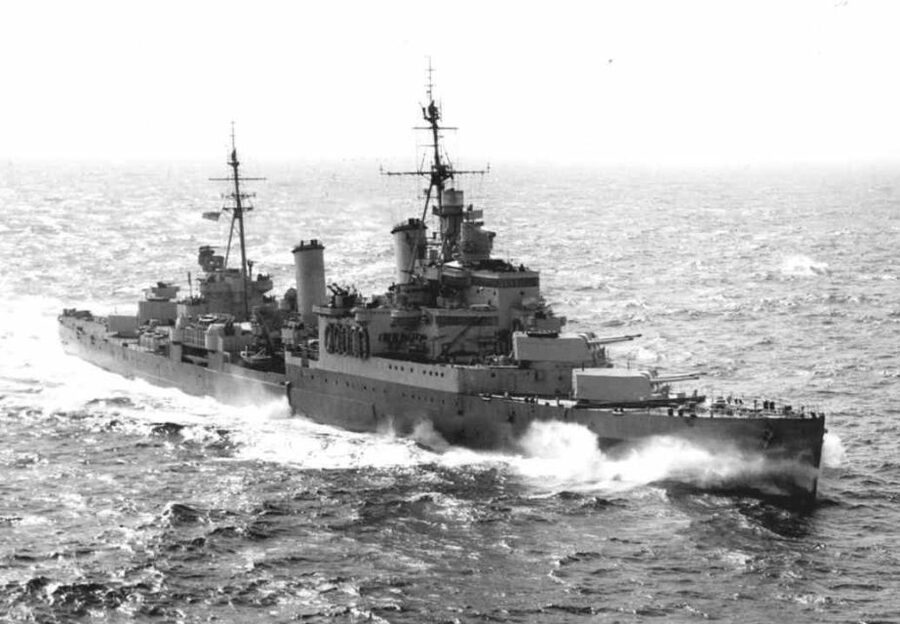
Malta sits in the middle of the Mediterranean, close to the shipping routes linking Europe with North Africa. That location made the island useful to both sides. British aircraft and naval forces based in Malta could attack Italian and German ships carrying fuel, weapons, food, and troops to Axis forces in North Africa.
That strategic role brought a heavy price. From 1940 to 1942, Malta faced repeated air attacks and a naval blockade. The goal was to force the island to surrender by cutting off supplies and making daily life impossible.
Your guide sets up this larger story before leading you through the sites. That context matters. Without it, a gate, memorial, or fortified wall can look like another old stone structure. With it, you begin to see Valletta as a wartime command center and a civilian city under pressure.
General Erwin Rommel understood Malta’s importance. In 1941, he warned that without Malta, the Axis would eventually lose control of North Africa. The tour uses that strategic point to explain why so much effort went into attacking and defending this small island.
I find this part especially useful if you know little about the Mediterranean theater. The tour does not treat Malta as an isolated story. It connects the island to North Africa, naval supply lines, British military power, and the wider Allied campaign.
A few more Valletta trips to weigh up
- The Original Valletta Walking Tour
★ 5.0 · 2,719 reviews - Valletta: 3-Hour Walking Tour
★ 4.7 · 1,605 reviews - Valletta: Guided City Walking Tour
★ 4.8 · 1,256 reviews
Starting in Vittoriosa and the harbor area
The day includes Vittoriosa, one of Malta’s historic harbor cities, before or alongside the Valletta portion of the route. The precise order can depend on the day’s arrangements, so confirm the pickup time with the local supplier one day before departure.
Vittoriosa is important because Malta’s harbor defenses were not limited to Valletta itself. The wider harbor area was filled with forts, docks, command posts, and military installations. Its position made it part of the island’s defensive system for centuries, including during the British period and World War II.
Do not expect every stop to receive a long, quiet explanation. This is a guided overview that moves between locations. If you want to photograph the harbor or read every plaque, use the free time carefully and keep an eye on the meeting instructions.
Hotel pickup or pickup from the nearest practical point is included. That is helpful if you are staying outside central Valletta or would rather not work out the bus connections yourself. The tradeoff is that vehicle transfers and collection points can add waiting time to a day already packed with walking.
Air raid shelters and the civilian side of the siege
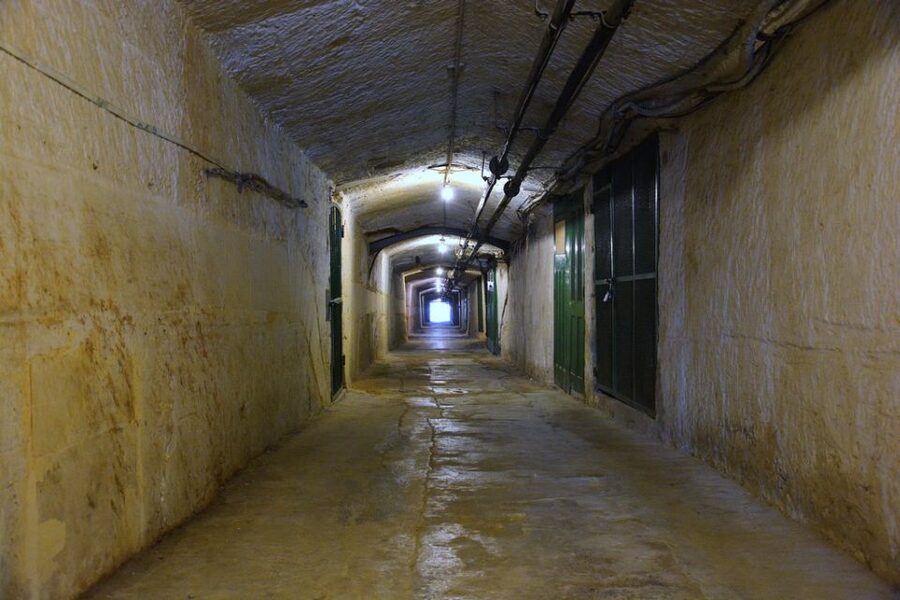
The air raid shelters are one of the strongest parts of the tour. Here, the military story becomes personal. You see the kind of underground spaces used by Malta’s population during bombing raids and shortages.
The shelters help explain what statistics leave out. A figure for damaged buildings tells you about destruction, but an underground passage suggests the daily routine of fear, waiting, crowding, and uncertainty. This is where the tour’s human side is clearest.
Bring comfortable shoes. You will be walking for much of the day, and underground areas may include uneven surfaces, steps, or confined passages. The tour is specifically not suitable for people with mobility impairments, so consider that warning seriously before booking.
The available time underground may feel short. One recent participant found the shelter section interesting but wished it had lasted longer. That is a fair criticism, especially if you are drawn to military sites and want to inspect every corridor.
Still, the included ticket makes this stop a good part of the package. You are not simply hearing about Malta’s shelter system from the street. You are entering a wartime space that gives the story physical scale.
Fort St Elmo and Malta’s military defenses
Fort St Elmo occupies a key position at the entrance to Valletta’s Grand Harbor. Its origins predate World War II, but the fort’s location and defensive role make it central to Malta’s military story.
The fort is not a museum devoted only to 1939 to 1945. Its exhibits and structures cover a longer span of Maltese military history. That can be a benefit if you want context, but it may disappoint you if you expect every room to focus directly on the Siege of Malta.
The tour includes entry to Fort St Elmo, which helps justify the price. Admission tickets can add up quickly in Malta, especially on a full day that includes several formal sites. The guide gives you a framework, then you have some opportunity to look around for yourself.
Time is the issue. A recent booking found the fort had more to offer than the schedule allowed. I would approach this stop as an introduction rather than a complete examination. If Fort St Elmo becomes your favorite site, you may want to return independently with more time.
Same islands, a completely different day out:
- From Malta: Full-Day Gozo UTV Tour with Lunch and Boat Ride
★ 4.6 · 4,408 reviews - From Malta: Full-Day Gozo Quad Tour with Lunch and Boat Ride
★ 4.8 · 1,419 reviews - Valletta: Street Food and Culture Walking Tour
★ 4.8 · 1,251 reviews - Gozo Full-Day Jeep Tour with Private Boat to Gozo & return
★ 4.5 · 1,048 reviews
Porta Reale and Valletta’s wartime streets
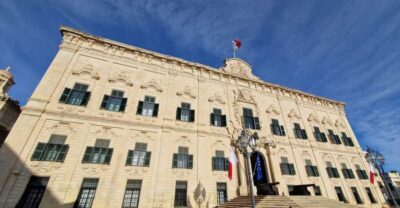
In Valletta, the walk reaches Porta Reale, the curtain wall at the center of the city’s land front. This is a useful place to understand how Valletta was entered and defended.
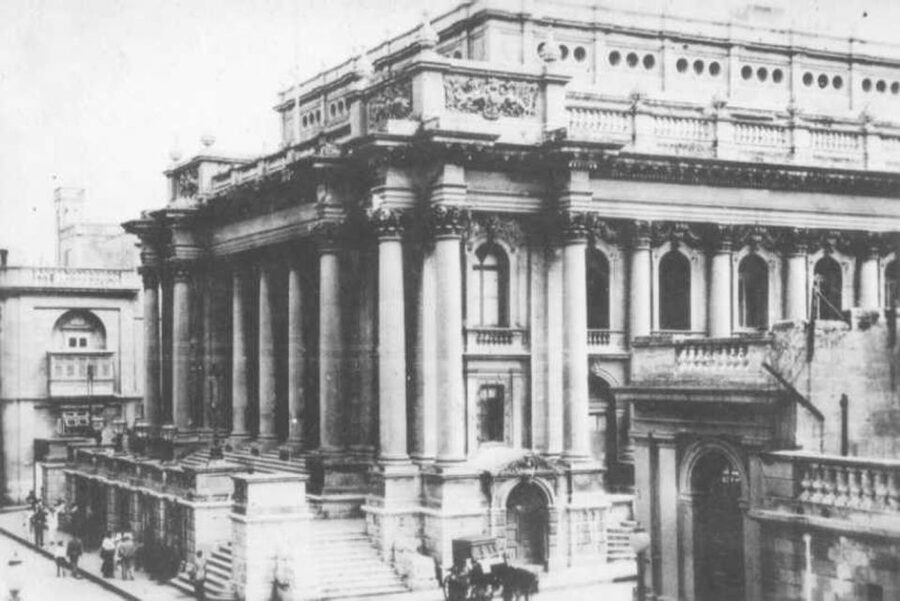
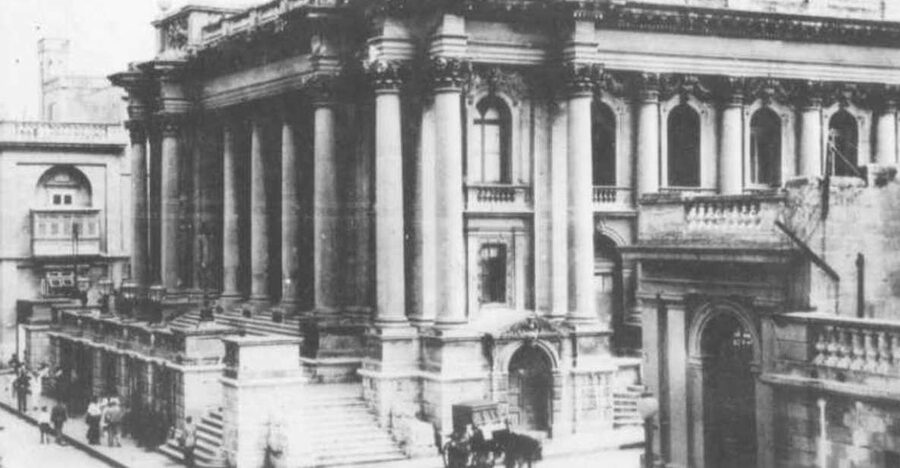
The route continues to Pjazza Teatru Irjal, where the former Royal Opera House was heavily bombed in 1942. Today, the location connects Valletta’s cultural life with the destruction caused by the war. It is a sharp reminder that bombing did not spare public buildings or the routines of civilian life.
You then pass along Strada Stretta, a narrow central street with a long military and social past. The route is not a march from one battlefield to another. It mixes military sites with ordinary urban spaces, which helps show how war affected the entire city.
At Misrah San Gorg, or St George’s Square, the guide explains the George Cross awarded to Malta in 1942. King George VI gave the island the cross for its courage during the siege. The award is an important part of Malta’s national memory, and seeing the square gives the story a clear place on the map.
The tour also points out the Queen Victoria statue in Republic Square and the former community kitchens known as Victory Kitchens. These kitchens were created to reduce food waste during a period of severe shortage. It is a small but revealing detail. War history is not only about aircraft and ships. It is also about rationing, food management, and keeping a population alive.
Victoria Gate and the Operation Pedestal memorial
Victoria Gate was built on the site of the old Del Monte Gate. The stop gives your guide another chance to explain how Valletta’s entrances changed over time while remaining tied to the city’s defenses.
Nearby, the anchor-shaped Santa Marija Memorial honors sailors who died during Operation Pedestal. That 1942 convoy was a major effort to bring supplies to Malta. The convoy suffered heavy losses, but several ships reached the island and helped keep Malta supplied.
This memorial works best when you understand the supply problem first. Malta’s defenders could not fight effectively without fuel, food, ammunition, and spare parts. Convoys were therefore military operations and lifelines at the same time.
You will encounter several memorials during the day. They are not all grand monuments. Some are quieter markers that ask you to pause and remember the people behind the campaign. If you prefer battlefield history with a strong human focus, these stops add weight to the route.
Upper Barracca Garden and the Siege Bell
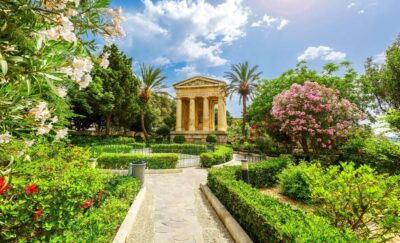
Upper Barracca Garden is one of the day’s best viewing points. From here, you can look over Valletta Harbor and see how the city’s position shaped its military importance.
The garden also contains statues of Winston Churchill and other prominent figures. These monuments reflect the British period and the Allied command structure that shaped Malta during the war. The setting gives you a chance to step away from the close streets and take in the harbor that the earlier stops have been discussing.
The nearby Siege Bell Memorial was built in 1992 to honor the 7,000 people who died during the Siege of Malta. Its position above the harbor is deliberate. The bell and the open view create a more reflective stop than the fortifications and shelters.
I would save a little attention for this part instead of treating it as a quick photo stop. The view helps tie together the day’s subjects: ships moving through the harbor, forts protecting the entrance, aircraft attacking supply routes, and civilians sheltering below ground.
The Lascaris War Rooms and the command behind the fighting
The Lascaris War Rooms form an underground command complex beneath Valletta. During World War II, Malta’s air defense was directed from this network of rooms and passages.
The site also connects Malta to major Allied operations in the Mediterranean. General Dwight Eisenhower and senior commanders including Admiral Andrew Cunningham, Field Marshal Bernard Montgomery, and Air Chief Marshal Arthur Tedder used the command structure while directing the 1943 invasion of Sicily.
This is one of the most important stops for understanding how Malta functioned as a military headquarters. The shelters show where civilians sought protection. The Lascaris War Rooms show where officers tracked threats, coordinated defenses, and planned operations.
The guide may not accompany you through every part of the underground complex. The museum portion can be self-guided, and the scheduled visit may cover only selected areas. That arrangement gives you some independence, but it also means you should not assume the full site can be seen in detail during the tour.
If you have a strong interest in command rooms, maps, and wartime planning, note the location so you can decide if a separate return visit is worthwhile. The guided introduction is useful, but the site can reward slower inspection.
The Malta War Museum and the end of the day
The tour includes a ticket to the Malta War Museum. The museum brings together objects and displays connected with Malta’s military past, including the World War II period.
The day may finish at the museum, where you continue on your own rather than following the guide through every exhibit. That can be a plus if you prefer to set your own pace. It can also feel abrupt if you expect a final guided explanation tying everything together.
Allow enough energy for the museum. After several hours of walking, it is tempting to hurry through the last stop. I would treat it as the place to review the larger story: Malta’s role in the Mediterranean, the pressure of the siege, the British connection, and the cost to military personnel and civilians.
Because lunch is not included, plan for a meal during the Valletta portion or carry something suitable. One booking found that stopping at a cafe required moving quickly, so do not count on a long, relaxed lunch unless the schedule allows it.
What the $71 price really includes
At $71 per person, this is priced as a full-day guided history tour rather than a simple walking route. The fee includes hotel or nearest-point pickup, an English-speaking licensed guide, the air raid shelter ticket, and admission to the Malta War Museum. Fort St Elmo entry is also part of the stated program.
That package can be good value if you want several major sites handled in one day. You avoid arranging transport between different parts of the harbor area, and you receive a continuous explanation of why the places matter.
The value is weaker if you prefer slow visits. You could spend less by visiting sites independently, especially if you already feel comfortable with Malta’s buses, streets, and ticketing. The tour’s main purchase is convenience and context, not extra time inside every building.
The overall rating is 4.3 from 18 bookings, which suggests a generally positive but not flawless experience. The strongest praise centers on the guides, clear historical explanations, and the air shelters and museum. The most consistent caution is the limited time at certain sites and occasional difficulty hearing the guide away from the vehicle.
Who will get the most from this tour
I would recommend this tour most strongly if you:
- Want a clear introduction to Malta’s WWII role.
- Prefer a guide to connect military sites into one story.
- Are staying outside Valletta and value included pickup.
- Want air shelter, fort, memorial, and museum visits in one day.
- Feel uncertain about exploring Malta’s historic areas alone.
- Are comfortable walking for seven hours and handling stairs or uneven surfaces.
Independent exploration may suit you better if you already know the subject or want to spend half a day at one fort or underground complex. The schedule gives you breadth, but not unlimited time.
The quality of the day depends heavily on the guide. A former mayor has led the tour, and that kind of local background can add personality and a strong sense of place. Ask your guide to repeat anything you cannot hear, particularly during outdoor explanations or when the group is spread out.
Practical details before you book
The tour lasts seven hours and operates in English. Starting times vary, and your exact pickup time is confirmed by the local supplier one day before departure.
Wear comfortable shoes. This is a walking day with historic streets, fortifications, gardens, memorials, and underground sites. The tour is not suitable for people with mobility impairments.
Lunch is not included. Keep the midday stop practical, since the route may not allow a long cafe break. Hotel pickup is included, but the actual collection may be from the nearest point rather than directly outside your accommodation.
You can cancel up to 24 hours before departure for a full refund, and the reserve-now, pay-later option keeps payment flexible. Those terms are useful if your Malta plans are still shifting.
Should you book the World War II Malta Full-Day Walking Tour?
Book it if you want the big picture in one day and value a local guide, included admissions, and transport help. The air raid shelters, Siege Bell, Upper Barracca Garden, and Lascaris War Rooms give the day real substance, while the Valletta walk adds the civilian and British context.
Skip it if your priority is slow, detailed exploration of Fort St Elmo, the shelters, or the war rooms. You will likely leave with a strong outline and several places to revisit, but not with every exhibit fully examined.
For most first-time visitors interested in Malta’s wartime past, the $71 cost is reasonable because it bundles a full day of guiding and site tickets. Bring good shoes, plan your food, and expect an energetic introduction rather than a leisurely museum day.
FAQ
How long does the World War II Malta tour last?
The tour lasts seven hours.
What language is the tour conducted in?
The live tour guide speaks English.
Are hotel transfers included?
Yes. Pickup and drop-off at your hotel or the nearest pickup point are included.
Which admissions are included?
The air raid shelter ticket and Malta War Museum ticket are included. The program also includes entry to Fort St Elmo.
Is lunch included?
No. Lunch is not included, so you should plan to buy food during the day.
Is the tour suitable for people with mobility impairments?
No. The tour is not suitable for people with mobility impairments, and comfortable shoes are recommended.
Just added around Valletta
- Malta: 5 hr Vintage Bus Tour – Mdina & Blue Grotto inc. food★ 5.0 · 22 reviews
- Valletta & Mdina: Private Tour★ 4.5 · 16 reviews
- Valletta: Private Maltese Cuisine Walking Tour★ 4.8 · 8 reviews
- Valletta : Highlights & Hidden Gems Walking Tour★ 3.1 · 5 reviews
- Afternoon Harbours Cruise with Guide and Roundtrip Transfers★ 3.4 · 11 reviews
- Valletta: Food and Culture Private Tour★ 4.9 · 10 reviews
- Valletta: Guided Walking Tour★ 3.8 · 5 reviews
- Valletta: Express Walk with a Local in 60 minutes★ 4.9 · 4 reviews
Walking Tours, compared.

Guided Walking Tour with Optional Cathedral Tour
Read our review →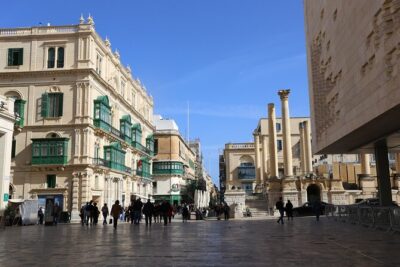
The Valletta Street Food and Culture Walking Tour
Read our review →Browse the lists this tour appears in