
REVIEW · THREE CITIES TOURS
From Cospicua: Senglea, Bormla, and Birgu Walking Tour
The best part of this tour is the way it shifts Malta’s story away from busy Valletta and into the Three Cities, where waterfront lanes, old palaces, shipyards, and fortress walls still shape daily life. You begin at the Cospicua ferry landing, then work toward Birgu, also called Vittoriosa, the main historical prize of the walk.
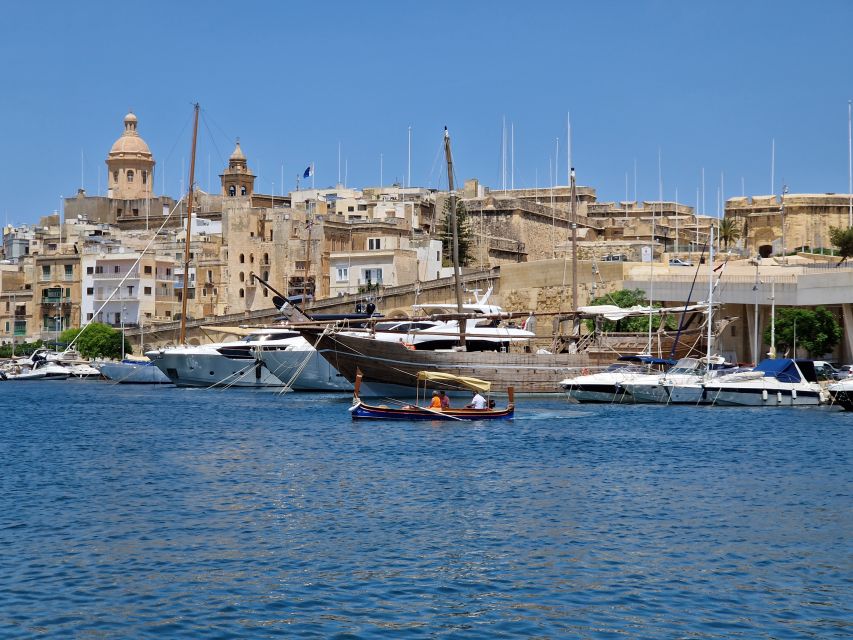
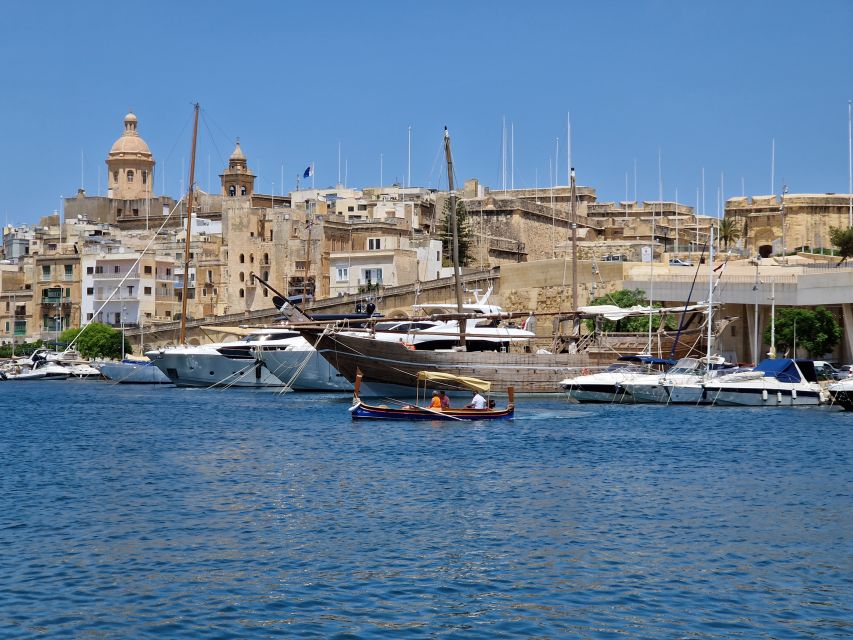
I like the local storytelling and the route’s manageable pace. Guides such as Karl, Chris, Lorraine, Christian, and Kris are praised for mixing dates and battles with personal details, humor, old photographs, and modern Maltese customs. I also like the harbor setting, where yachts and massive stone defenses give you a clear sense of why this corner of Malta mattered.
The main consideration is that the tour spends most of its detailed sightseeing time in Birgu. You pass through Senglea and Bormla, but some of the strongest attention goes to Birgu’s Collacchio district, palaces, and fortifications. The walk finishes in Birgu, and the optional dghajsa boat ride to Valletta costs extra.
In This Review
- Key points at a glance
- Why the Three Cities matter
- Starting at Cospicua’s ferry landing
- Senglea and Bormla: waterfront history first
- Crossing toward Birgu’s fortifications
- Birgu’s Collacchio quarter and Knights’ palaces
- Birgu during the Second World War
- Finishing at St. Laurence Church and the harbor
- Is $24 a fair price?
- Who will enjoy this walking tour?
- Should you book the Three Cities walk?
- FAQ
- Where does the tour start?
- How long does the walking tour last?
- Which languages are available?
- Is the boat ride back to Valletta included?
- Does the tour include hotel pickup and drop-off?
- What should I bring?
Key points at a glance
- Meet at the ferry landing: Find your guide exactly where passengers get off the Valletta to Three Cities ferry in Cospicua.
- Three cities, one compact walk: Cover Senglea, Bormla, and Birgu in about 2.5 hours.
- Birgu gets the fullest treatment: Expect narrow streets, Knights’ palaces, fortress walls, and the Collacchio quarter.
- History reaches into the 20th century: The tour covers the British Royal Navy, drydocks, and Birgu’s severe wartime bombing.
- Guides make the difference: Karl, Chris, Lorraine, Christian, and Kris are noted for clear English, humor, energy, and local knowledge.
- Finish beside St. Laurence Church: From there, you can pay separately for a traditional dghajsa back to Valletta.
Why the Three Cities matter
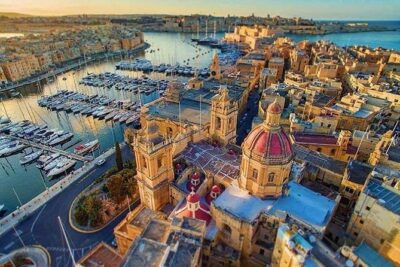
Valletta gets much of Malta’s attention, but the Three Cities across the harbor give you a different view of the island. Senglea, Bormla, and Birgu grew around Malta’s maritime and military life, and the Knights of Malta played a major part in shaping them after arriving in 1530.
That history is easier to understand on foot. You are not simply moving from one museum entrance to another. You walk along the waterfront, see the harbors lined with yachts, and then approach fortifications built to control access by sea. The setting helps explain the story before the guide even starts speaking.
I find this especially useful if you have already spent time in Valletta. The tour adds context to the capital across the water. Valletta’s grand streets and churches show the power of the Knights, while the Three Cities show the older communities, naval activity, working harbor, and wartime strain that supported and surrounded that power.
The guide also connects large events to local life. That is where the tour seems most effective. Instead of treating Malta’s past as a string of rulers and dates, guides such as Chris and Karl explain how the area’s communities connected with events beyond the island. Their style is conversational, with room for questions and small anecdotes.
More three cities tours in Malta:
- From Sliema: Valletta and the Three Cities Scenic Cruise
★ 4.3 · 763 reviews - Valletta & Three Cities Harbour Cruise
★ 4.0 · 239 reviews - Malta: Vintage Bus Ride through the Three Cities
★ 4.1 · 112 reviews
Starting at Cospicua’s ferry landing
Your meeting point is practical but worth taking seriously. You meet at the exact unloading place of the Valletta Three Cities ferry, as you get off the boat in Cospicua. This is not a hotel pickup, so you need to arrange your own way to the ferry and arrive ready to walk.
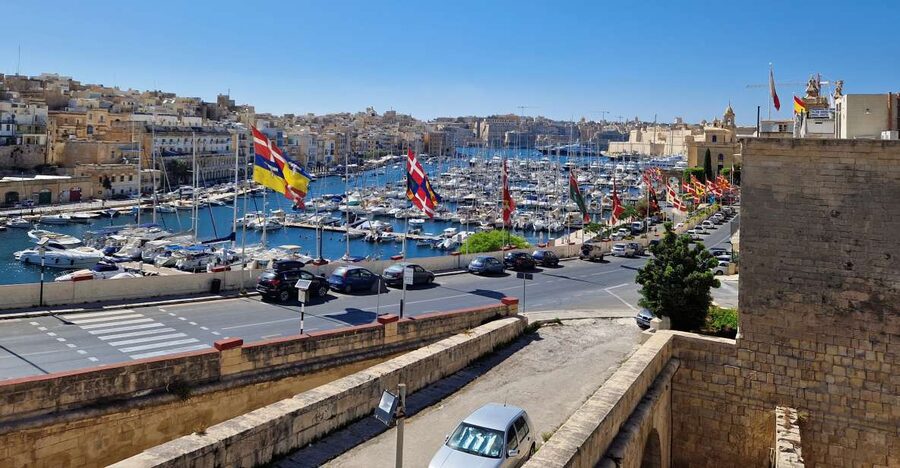
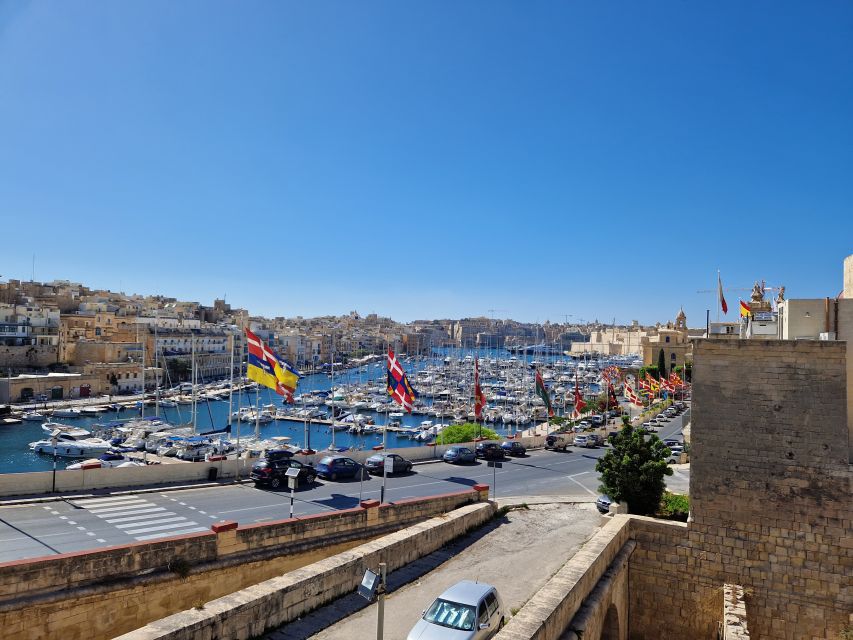
The opening section covers Cospicua, also known as Bormla, and lasts about 30 minutes. You begin along the waterfront and learn how the city fits into the larger Three Cities story. The harbor views make a pleasant start, especially with boats and yachts close by.
This first part is not the main architectural focus of the tour. Think of it as orientation. Your guide introduces the area, points out the role of the waterfront, and sets up the story of the fortifications, naval activity, and communities you will encounter later.
I like starting here rather than jumping straight into Birgu. The gradual approach gives you a sense of place. You see that these are not isolated historic quarters, but connected cities tied together by the harbor and by centuries of defense and maritime work.
Wear comfortable shoes from the start. The activity lasts 2.5 hours, and even an easy walking route feels less enjoyable if your footwear is poor. Bring water and sun protection as sensible personal choices, though the stated requirement is simply comfortable shoes.
Senglea and Bormla: waterfront history first
Senglea and Bormla are part of the first half of the route, with the waterfront providing the clearest visual link between them. The walk lets you see the cities from the harbor side before moving into Birgu’s tighter streets.
This is a good reminder that Malta’s history is not confined to grand interiors. The water was the reason these places mattered. Naval forces, merchants, dock workers, residents, and visiting fleets all shaped the area. The guide’s job is to connect what you see, such as walls, harbor edges, and old urban quarters, with the people and institutions that used them.
One useful detail from the experience is the strong focus on the British Navy. The Three Cities later became important to the British Royal Navy in the Mediterranean, with drydocks and naval headquarters located here. That adds a later chapter to the Knights’ story and prevents the tour from stopping in the 16th century.
You should also keep your expectations clear. The tour title names three cities, but the most extended guided section is Birgu. One portion of the route gives Senglea and Bormla a shorter introduction, while Birgu receives roughly 75 minutes of guided attention. If you want a deep look at every street in all three cities, this tour will feel selective. If you want a connected overview with extra time in the most atmospheric quarter, the balance makes sense.
Crossing toward Birgu’s fortifications
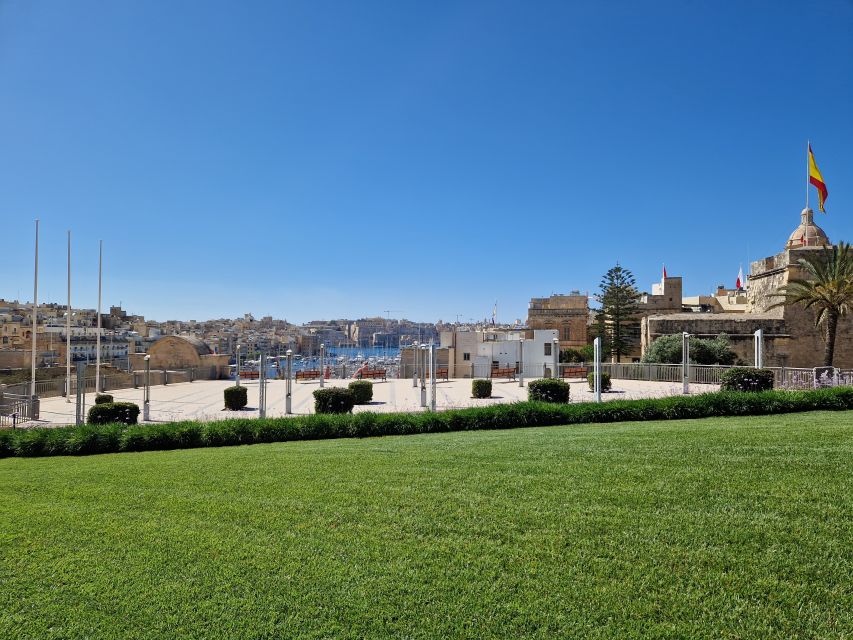
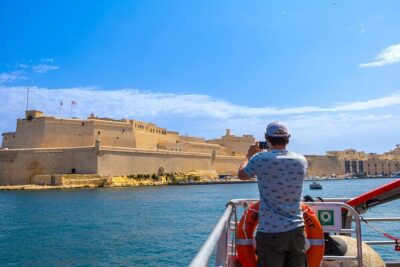
As you move toward Birgu, the gigantic fortifications become a major visual moment. Malta is famous for honey-colored stone and defensive walls, but seeing these structures in relation to the harbor is more useful than seeing them in a photograph.
The guide explains how the fortresses helped protect the island and why Birgu occupied such an important position. The walls also make a strong photo stop, with the harbor and stone defenses sharing the frame. The itinerary allows about 15 minutes for a viewpoint, sightseeing, walking, and photographs.
I would use this pause to look beyond the obvious postcard view. Notice how the fortifications dominate the shore and how the harbor gives them a practical purpose. The tour is strongest when the guide helps you read the scene rather than simply naming the structure in front of you.
There is no promise of a long interior visit to a fortress, and the included feature is the guided walking experience. That matters when comparing this with a museum ticket or a full palace tour. You are paying for interpretation, route planning, and access to stories spread across the city, not for entry to a collection of attractions.
A few more Malta trips to weigh up
- The Original Valletta Walking Tour
★ 5.0 · 2,719 reviews - Valletta: 3-Hour Walking Tour
★ 4.7 · 1,605 reviews - Valletta: Guided City Walking Tour
★ 4.8 · 1,256 reviews - Valletta: Street Food and Culture Walking Tour
★ 4.8 · 1,251 reviews
Birgu’s Collacchio quarter and Knights’ palaces
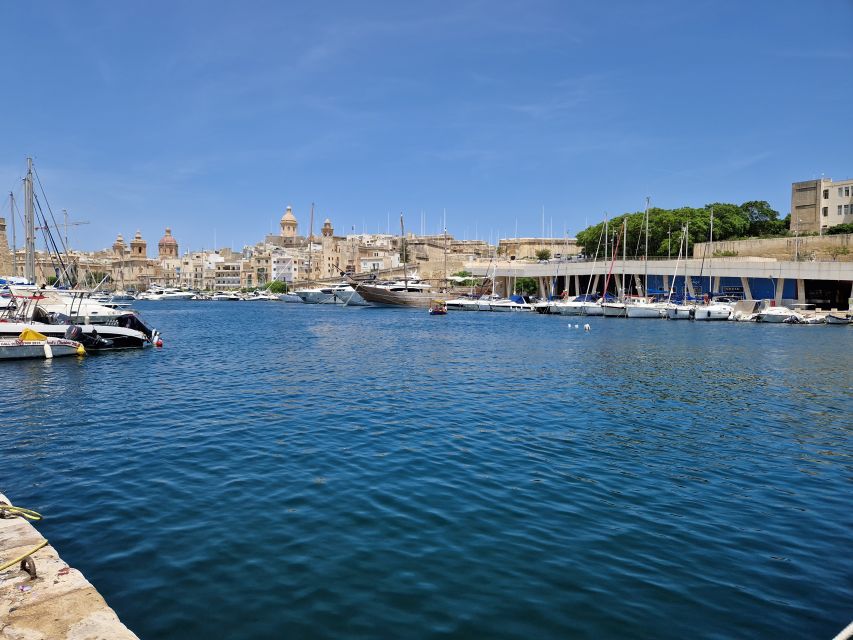
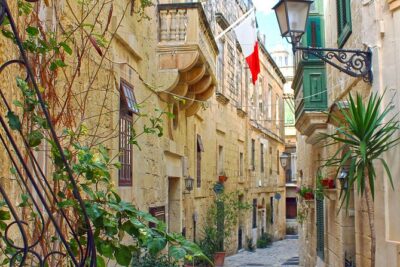
Birgu is where the walk reaches its richest detail. Also known as Vittoriosa, it has narrow, winding streets and the Collacchio area, a historic quarter associated with the Knights of Malta. The stone lanes can feel far removed from the open waterfront you have just left.
The guide takes you past palaces built by the Knights after their arrival in 1530. These buildings help explain how the order shaped the city and made Birgu a center of power. Rather than seeing a palace as a stand-alone sight, you can place it within the street plan, the harbor, and the defensive walls.
This is also the part where a local guide earns the fee. A map can show you Birgu’s lanes, but it will not point out every detail or explain how the area changed through time. Chris is repeatedly praised for making dates and stories easy to follow, while Lorraine is noted for a calm, personal approach and clear explanations. Karl is known for energy, humor, and strong storytelling.
The route is not only about grand architecture. Guides bring in local quirks, traditions, and modern Maltese life, so the walk does not become a dry lesson in military history. I value that mix. Malta’s past is easier to remember when it is tied to places people still use and communities that still identify with them.
Birgu is also quieter than the center of Valletta, according to the way the experience is described by participants. That gives you more time to look up at balconies, stonework, and old doorways without feeling pushed through a crowded sightseeing circuit. The pace includes regular stops, and the small groups described during some departures allow more opportunity for questions. Group size may vary, so do not book on the assumption that every departure will be tiny.
Birgu during the Second World War
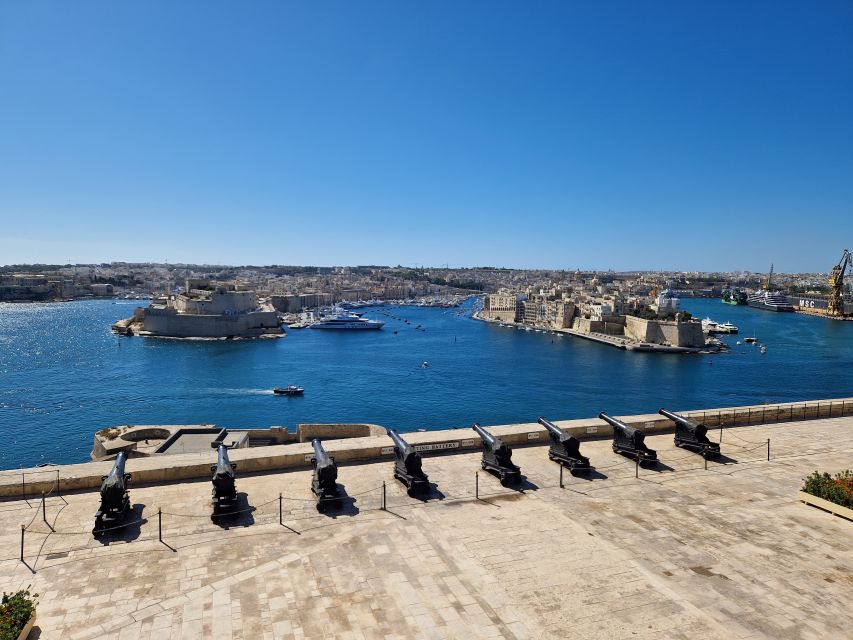
The tour gives important attention to the Second World War, when Birgu was the most bombed area on the Maltese Islands. This changes the mood of the walk. The old streets and palaces are not simply picturesque remains. They also reflect a community that endured repeated attacks and rebuilt its life.
I appreciate this part because it keeps the experience from becoming too romantic. Malta’s fortresses and limestone streets can look timeless, but the cities have faced very modern dangers. The guide’s explanation helps you see resilience as part of Birgu’s identity.
The wartime story also connects naturally with the British naval chapter. A port used for defense and naval operations was both strategically important and exposed. The tour brings those themes together, showing how the same harbor could support the island and place local communities in danger.
You will not get a full military museum visit as part of the price. Instead, the guide gives you a walking introduction, using the streets and fortifications as evidence. For many people, that is enough to make the city more meaningful. If military history is your main interest, you may want to add separate museum visits on another day.
Finishing at St. Laurence Church and the harbor
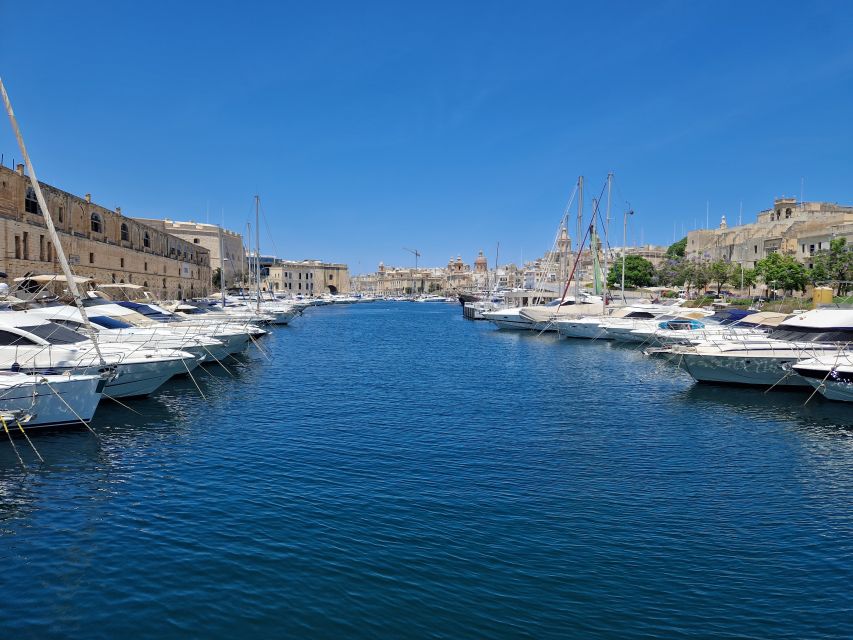
The tour ends on Birgu’s waterfront, in front of St. Laurence Church. This is a pleasant place to finish because you return to the water after spending time in the old lanes and Collacchio quarter.
From here, you can board a dghajsa, a traditional Maltese boat often compared with a gondola, and travel back to Valletta. The ride is not included in the tour price, so treat it as an optional extra rather than part of the package.
I like having this choice at the end. You can continue by boat if you want a scenic finish, or make your own way onward without paying for transport you may not need. The separate cost is also the main extra expense to remember when working out your day’s budget.
The end point is in Birgu rather than back at Cospicua. That is convenient if you plan to continue exploring the area, but you should not expect hotel drop-off or a return transfer. The tour is designed as a walking experience with an optional boat connection.
Is $24 a fair price?
At $24 per person, this is a reasonable price for a 2.5-hour guided walk, especially if you value clear historical explanation. The fee includes the tour guide, but not hotel pickup, hotel drop-off, or the dghajsa ride to Valletta.
The value comes from the route and the guide rather than from admission tickets. You see three connected cities, harbor views, fortifications, the Collacchio quarter, Knights’ palaces, and sites linked to British naval history. You also avoid spending time wandering without knowing which streets or walls matter.
I would compare it with the cost of a self-guided walk. You can certainly explore the waterfront and Birgu on your own, but the experience offers little help with the story unless you have done substantial reading. The repeated praise for guides including Chris, Karl, and Lorraine suggests that the explanation is the reason to book, not simply the act of walking.
The price is less compelling if you want several interior attractions included. Nothing in the stated inclusions promises entry to palaces, churches, museums, or forts. In that case, use this as an orientation walk, then choose separate paid sights according to your interests.
Who will enjoy this walking tour?
I would recommend it to first-time visitors who want Malta’s history explained in a compact morning or afternoon. It suits you if Valletta has sparked questions about the harbor, the Knights, fortifications, and the British naval period.
It is also a good match for anyone who prefers stories to silent sightseeing. The guides are praised for humor, energy, visual details, personal anecdotes, and an open attitude toward questions. Several guides have been described as making the walk feel like a relaxed outing with an especially interesting local companion.
You will get the most from it if you can walk for 2.5 hours in comfortable shoes and enjoy outdoor sightseeing. Families, couples, solo visitors, and small groups can all use the tour as a practical introduction to the Three Cities, though the pace and group size can vary by departure.
I would think twice if you want a highly formal lecture, long periods inside buildings, or equal time in every city. Birgu receives the most attention, and the tour depends on walking and listening outdoors. It is also conducted in English only.
Booking is flexible: you can cancel up to 24 hours before the activity for a full refund, and you can reserve now and pay later. Starting times vary, so check availability before arranging your ferry connection.
Should you book the Three Cities walk?
I would book this tour if you want to understand how Malta’s harbor, fortresses, Knights, British naval base, and wartime experience fit together. The short transfer from Valletta by ferry places you in the right setting immediately, and the ending near St. Laurence Church leaves you with the option of a dghajsa ride back.
The strongest reason to choose it is the guide. Chris, Karl, Lorraine, Christian, and Kris are all named in the feedback, and the common thread is clear English, local pride, humor, and an ability to turn stone streets into stories.
Skip it if you only want a quick photo stop or a ticketed attraction. Choose it if you want the human story behind Birgu’s lanes and walls, with a useful introduction to Senglea and Bormla along the way. At $24, that is a sound way to spend 2.5 hours in one of Malta’s most important historic areas.
FAQ
Where does the tour start?
The tour starts at the Valletta Ferry Service landing in Cospicua. Meet your guide exactly at the place where passengers get off the Valletta to Three Cities ferry.
How long does the walking tour last?
The tour lasts 2.5 hours. The Cospicua section takes about 30 minutes, the Birgu guided section about 75 minutes, and a viewpoint stop includes about 15 minutes for photographs and sightseeing.
Which languages are available?
The live tour guide conducts the experience in English.
Is the boat ride back to Valletta included?
No. The optional dghajsa ride from the Birgu waterfront back to Valletta is not included in the tour price.
Does the tour include hotel pickup and drop-off?
No. Hotel pickup and drop-off are not included. You are responsible for reaching the Cospicua ferry landing and continuing from the Birgu finish point.
What should I bring?
Bring comfortable shoes for the walking route. The tour includes waterfront sections, fortifications, narrow streets, and sightseeing stops across Cospicua, Senglea, Bormla, and Birgu.
Just added around Malta
- Malta: 5 hr Vintage Bus Tour – Mdina & Blue Grotto inc. food★ 5.0 · 22 reviews
- Wakeboarding Adventure in Malta: Learn to Ride★ 5.0 · 4 reviews
- World War II Malta Full-Day Walking Tour★ 4.3 · 18 reviews
- Valletta Street Food & History Tour With Private Transfers★ 4.5 · 15 reviews
- Victoria, Gozo: Sunset Walking Food and Drink Tour★ 5.0 · 6 reviews
- Valletta: Private Maltese Cuisine Walking Tour★ 4.8 · 8 reviews
- Valletta: Private Massage from a world renowned masseuse★ 4.6 · 9 reviews
- Valletta & Mdina: Private Tour★ 4.5 · 16 reviews
Three Cities Tours, compared.
Three Cities guided tour including harbour boat tour
Read our review →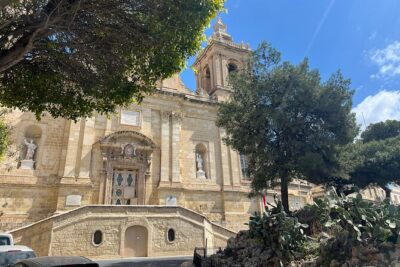
Three cities walking tour incl. entrance to Inquisitor’s palace
Read our review →
3 Cities Walking Tour With Inquisitors Palace Entry
Read our review →
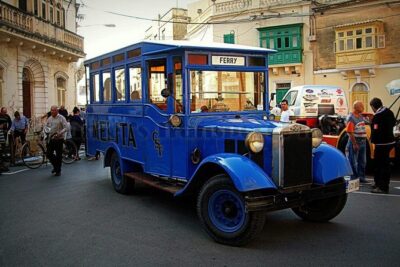
Vittoriosa, Cospicua and Senglea Vintage Bus Tour
Read our review →Browse the lists this tour appears in