
REVIEW · PREHISTORIC TEMPLES TOURS
Prehistoric Temples of Malta Tour
Malta’s prehistoric temples are older than the pyramids, and Hagar Qim and Mnajdra let you get close to some of the oldest free-standing stone structures on earth. The visit feels especially striking because these huge blocks sit above the Mediterranean, surrounded by stark garrigue and open sky. The temples date back about 5,500 years, with construction beginning around 3150 BC.
I like two things here: the guide gives meaning to stones that might otherwise look like a jumble, and the ticket includes three archaeological sites plus transport and hotel pickup. The main catch is time. Four and a half hours goes quickly, especially when the bus is collecting people across Malta and the walk between Hagar Qim and Mnajdra takes effort.
In This Review
- Key points to know before you go
- Why Malta’s prehistoric temples matter
- Ghar Dalam Cave and Museum: Malta before the temples
- Hagar Qim: huge stones on a southern ridge
- Mnajdra: Malta’s finest surviving temple group
- Hamrija Tower and the long view of Maltese history
- How the guide changes the experience
- Transport, pickup, and the cost of convenience
- Walking, heat, and mobility
- Who should book this half-day tour?
- Should you book the Prehistoric Temples of Malta Tour?
- FAQ
- How long does the tour last?
- What is included in the price?
- Which languages are available?
- Where can pickup take place?
- Is the tour suitable for someone with limited mobility?
- What should I bring?
- Can I cancel the booking?
Key points to know before you go
- Hagar Qim and Mnajdra are the main event: You will see two of Malta’s most important megalithic temple sites, with time to walk around each.
- Ghar Dalam adds a different layer: The cave museum focuses on prehistoric animals and early life on Malta, not just temple remains.
- Guides make the stones easier to understand: Mark, Mario, Marco, Marlon, Nick, and Miriam are among the guides named in past tours, though your guide will depend on the date.
- The walk is real: Expect a substantial walk between the temple sites, with an uphill return. Comfortable shoes and water are wise.
- Hamrija Tower adds later Maltese history: This 17th-century watchtower sits a few hundred meters from the temples.
- Pickup covers much of the island: Collection points include Valletta, Sliema, St. Julian’s, Bugibba, Qawra, Mellieha, Cirkewwa, and other resort areas.
Why Malta’s prehistoric temples matter
Malta’s megalithic temples belong to a period long before the Phoenicians, Romans, or Knights of Malta. They were built by a farming society with no known metal tools, yet the builders moved and shaped stones of remarkable size.
You do not need an archaeology background to enjoy the sites. A good guide helps you notice the details: the temple plan, the placement of stone blocks, the traces of carved decoration, and the way the buildings were set into the land. The point is not to pretend we know every answer. Much about the people who built these temples remains uncertain, and that uncertainty is part of the appeal.
The temples are protected as a UNESCO World Heritage Site and are often described as the oldest free-standing stone structures in the world. That claim gives the tour weight, but the setting gives it feeling. You are not looking at an isolated museum object. You are walking among enormous stones in a place shaped by wind, sun, scrub, and sea.
More prehistoric temples tours in Malta:
- From Malta: Gozo Day Trip Including Ggantija Temples
★ 4.2 · 2,399 reviews - Malta: Prehistoric Temples, Limestone Heritage & Blue Grotto
★ 4.2 · 412 reviews - Gozo Guided Day Trip Incl. Ggantija Temples and Lunch
★ 4.0 · 368 reviews
Ghar Dalam Cave and Museum: Malta before the temples
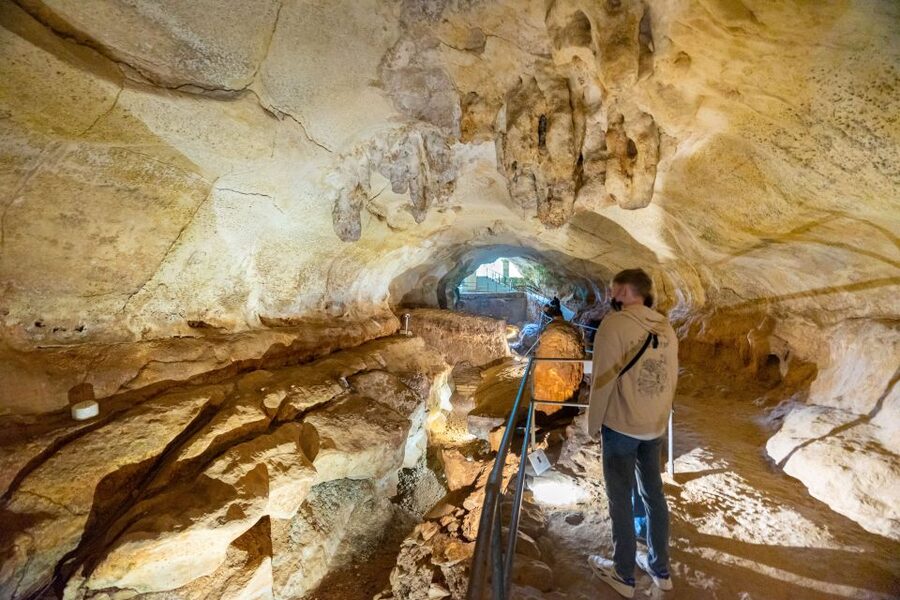
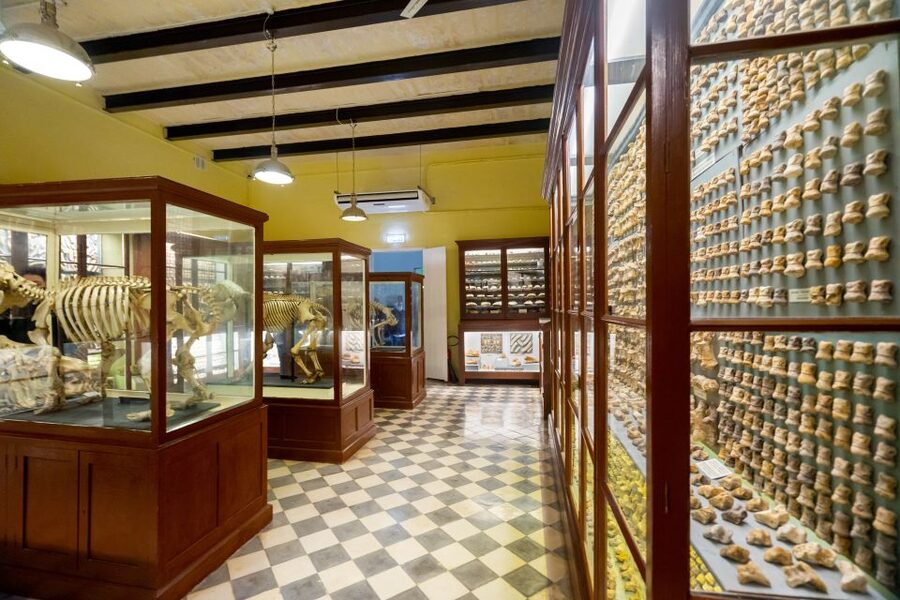
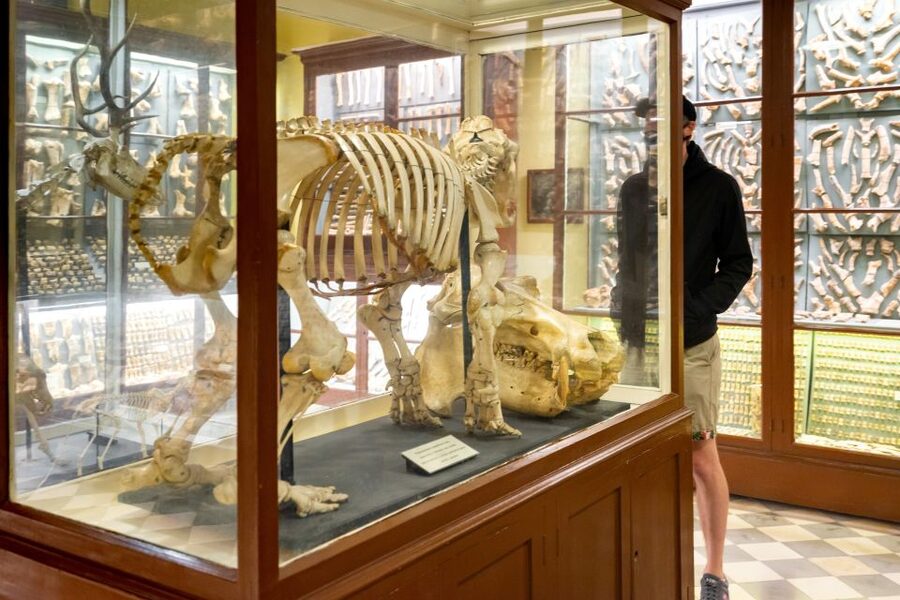
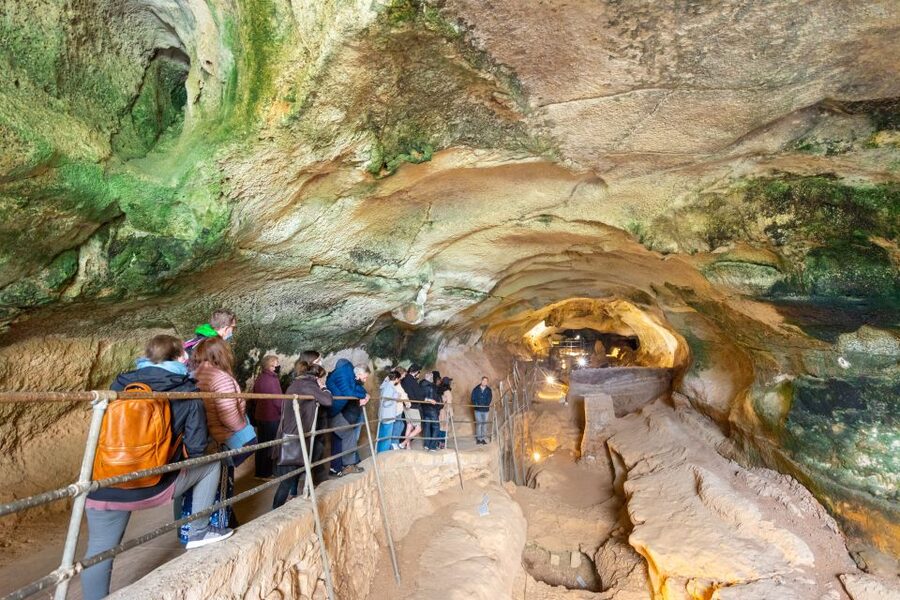
The tour begins, or reaches its first major stop, at Ghar Dalam Cave and Museum. The cave is not a grand cavern filled with stalactites, underground lakes, or dramatic rock formations. If you are expecting that sort of cave, adjust your expectations.
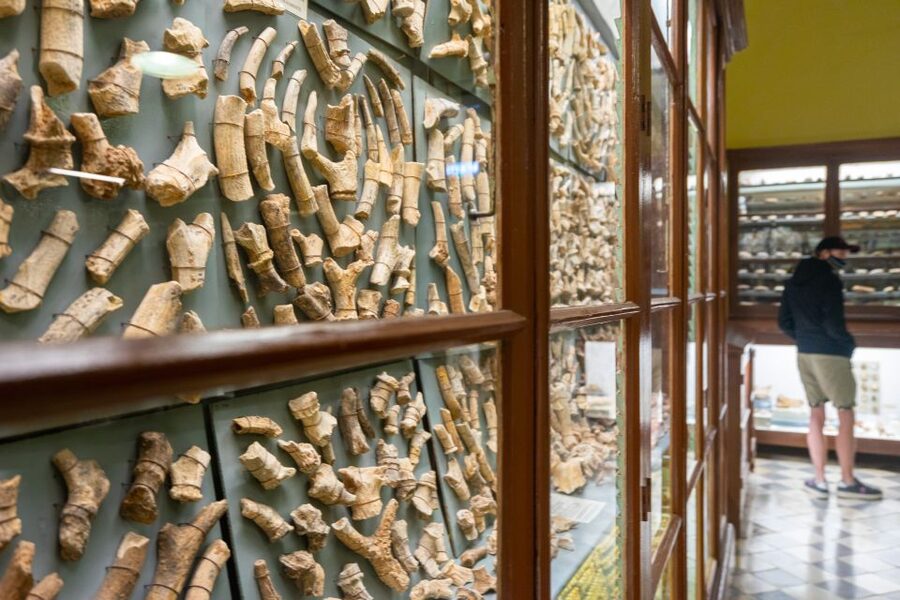
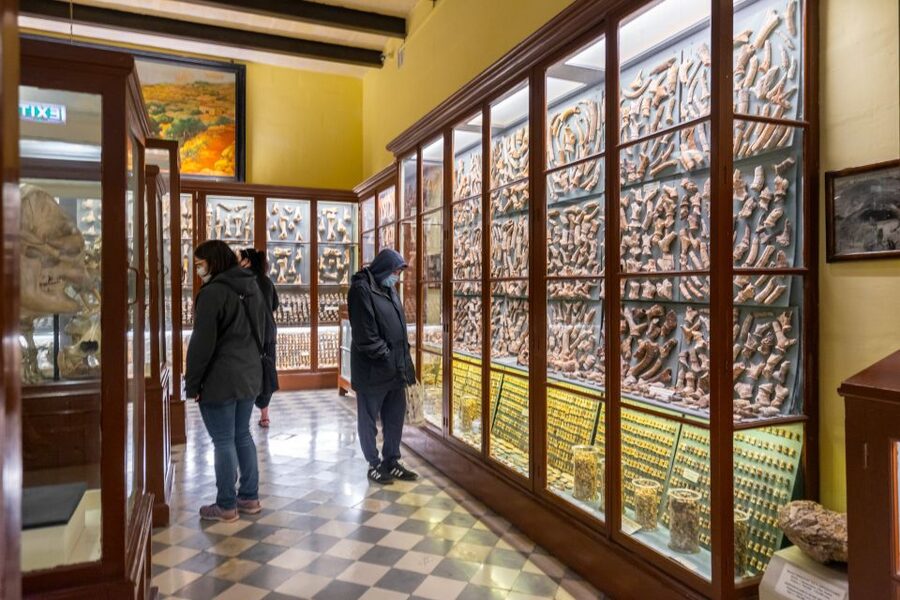
What makes Ghar Dalam important is what was found there. The museum displays bones and remains from prehistoric animals that lived on Malta, helping you picture a much earlier chapter of the island’s story. The collection includes evidence of different species that occupied Malta before the temple-building period.
I find this a useful opening because it gives you a sense of time. The temples are not the beginning of Malta’s human and natural story. The cave shows an older world, while the temple sites show what later communities were able to build.
Your time at the museum is limited, so you will need to keep moving through the displays. One useful idea comes from a past visitor who followed the tour with the National Museum of Archaeology in Valletta, where Neolithic objects from Malta’s temple sites are displayed. That makes a good companion visit if prehistoric Malta catches your interest.
The cave itself is relatively small, and this stop is better for the museum collection than for a dramatic underground walk. You will also want to pay attention to the guide’s explanation, since the displays can mean more when connected to the wider story of Malta.
Hagar Qim: huge stones on a southern ridge
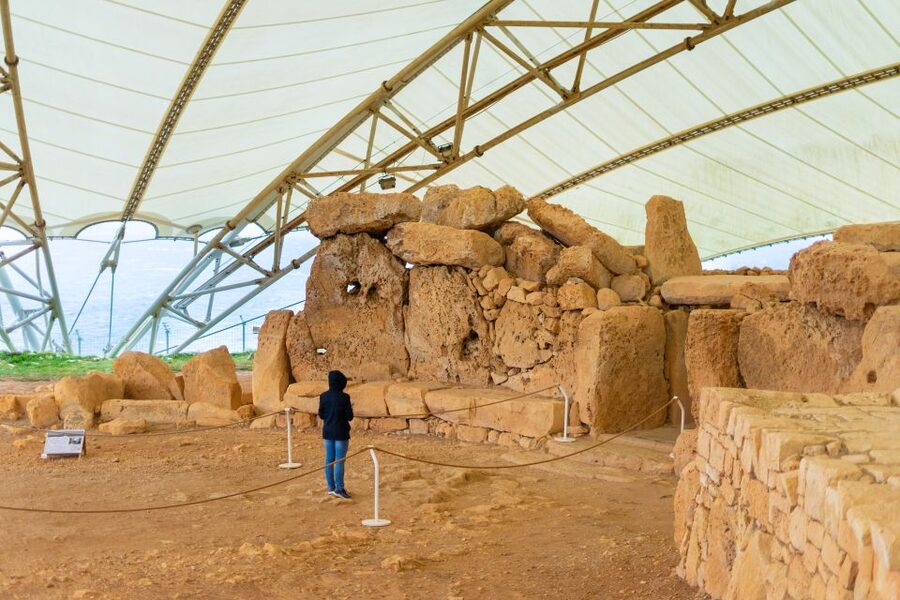
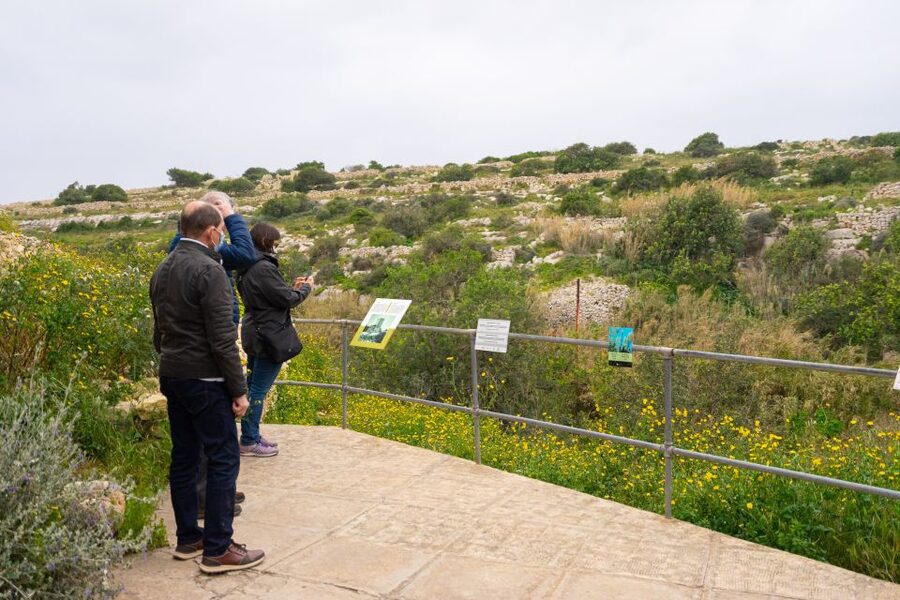
Hagar Qim sits on a ridge in southern Malta, capped with soft globigerina limestone. The stone has a warm, honey-colored appearance, and the setting gives the temple a strong sense of place.
The site is fragile, so modern protection helps preserve it from sun, wind, and weather. That means you are seeing an ancient monument with some practical visitor infrastructure around it, rather than wandering through an untouched ruin. The protection is necessary, even if it slightly separates you from the rawness of the site.
The first thing to notice is scale. The builders worked with blocks far larger than you might expect from a prehistoric community. A guide can point out the carved stonework and explain how archaeologists interpret the layout, but you will still have time to look closely and form your own impression.
The name Hagar Qim is often associated with standing stones, chambers, and curved temple spaces. The important point for a short visit is that the site is not one single wall. It is a group of connected spaces, built and altered over time. Your guide can make sense of the arrangement much faster than a signboard alone.
The ridge also gives you broad views toward the sea and the small island of Filfla. That view is not just a photo stop. It helps explain why the site feels so exposed and why sun protection matters, especially in warmer months.
You may find that the open setting makes the stones easier to appreciate than a crowded urban ruin. At the same time, the sun can be strong, and there is not much reason to linger in one place if you are not prepared with water, a hat, and sensible footwear.
Mnajdra: Malta’s finest surviving temple group
A short distance from Hagar Qim, the tour continues to Mnajdra. The two sites are close enough to connect on foot, but the path and the return uphill are worth taking seriously.
Mnajdra is often considered the best surviving example of Maltese megalithic architecture. Its position below Hagar Qim gives it a different mood. Here, the temple group feels more enclosed and carefully arranged, with stone walls, chambers, and openings that show the builders’ command of proportion.
The guide is especially useful at Mnajdra. Without context, you might see weathered blocks and partial walls. With an explanation of how the spaces were arranged, you begin to recognize a deliberate building rather than a random pile of ancient stone.
This is also the stop where the age of the site can feel most startling. You are looking at construction from thousands of years ago, yet the remains still give you a sense of rooms, entrances, and movement through the complex.
Allow time to look beyond the walls. The surrounding garrigue is a low scrub habitat typical of the Mediterranean, and the area has been designated a Heritage Park. It is spare rather than lush, with exposed rock and hardy vegetation. That simplicity suits the temples and keeps attention on the archaeology.
Several people have found the temple visit slightly short, while others felt the time was well judged. Both reactions make sense. The tour has to fit three sites, transport, and a return to your pickup area. If you like to study every stone or read every display, a private visit with more time would suit you better.
Same islands, a completely different day out:
- Malta: Gozo & Comino Islands, Blue Lagoon & Seacaves Tour
★ 4.5 · 15,672 reviews - Comino: Blue Lagoon, Crystal Lagoon, and Seacaves Tour
★ 4.6 · 5,673 reviews - Malta: Blue Lagoon, Beaches & Bays Trip by Catamaran
★ 4.7 · 5,496 reviews - Malta: Gozo, Comino, Blue & Crystal Lagoon, & Caves Cruise
★ 4.6 · 5,092 reviews
Hamrija Tower and the long view of Maltese history
A few hundred meters from the temple sites is Hamrija Tower, one of Malta’s 13 coastal watchtowers. Grand Master Martin de Redin built the towers in the 17th century, long after Hagar Qim and Mnajdra were already ancient ruins.
The tower adds a useful contrast. In one morning, you move from prehistoric temple builders to the military concerns of the Knights of Malta. It is a reminder that Malta’s strategic position kept shaping its history across thousands of years.
Hamrija Tower is not the central attraction, and the tour does not present it as one. Think of it as a brief extra landmark near the temple route. Its value is in the historical layering: prehistoric sanctuaries, Mediterranean scrub, a coastal defense system, and the sea beyond.
How the guide changes the experience
The strongest part of this excursion is usually the live explanation. Guides have included Mark, Mario, Marco, Marlon, Nick, and Miriam, and several have had archaeology backgrounds or teaching experience. Your guide is not guaranteed to be one of these people, but the operation offers English, German, Italian, and French.
Mark has led tours for multilingual groups, explaining the same site in more than one language. That can make the pace slower, but it is useful if your group includes several languages. Other guides, including Mario and Marco, have been praised for explaining the physical demands of the walk and answering questions about the temple builders.
A good guide also helps you think about how the sites were discovered and interpreted. That is more valuable than simply listing dates. Malta’s prehistoric temples raise large questions: how the stone was moved, what the spaces were used for, and how the builders organized their society. The guide can explain the accepted ideas while making clear where the evidence is less certain.
The quality of the commentary may vary. One past participant found the English delivery repetitive and wished for an audio guide instead. That is a fair caution for anyone who needs polished language instruction. Still, the overall pattern points to the guide as the tour’s main strength, so it is worth staying close enough to hear clearly.
Transport, pickup, and the cost of convenience
The advertised price is $59 per person, including transport, guide services, hotel pickup and drop-off, and entry fees to Ghar Dalam, Hagar Qim, and Mnajdra. That is not the cheapest way to visit the sites, but it can be fair value if you are staying outside the south and do not want to work out buses, tickets, and connections.
Pickup areas include Cirkewwa, Mellieha, Xemxija, Golden Bay, St. Paul’s Bay, Bugibba, Qawra, St. Julian’s, Sliema, Valletta, and Attard. The published times vary by location, with early departures around 8:30 and later ones around 9:10. Your final pickup point and time arrive by email one day before the tour, so check your messages and do not rely only on the broad schedule.
The collection process can take time. The bus may gather passengers from several hotels or meeting points before the main route begins, and one past account describes waiting for another bus to join. That is the tradeoff for wide pickup coverage.
The vehicles are generally described as comfortable, with air conditioning being especially welcome in hot weather. A few accounts describe an older or less comfortable bus on a return journey, and one person found the driving unsettling. Malta’s roads can feel lively from the passenger seat, so this is not the right outing if you need a perfectly calm transfer.
The benefit is simplicity. You can leave the planning to the operator, listen to commentary on the way, and return without arranging separate transport from the southern sites.
Walking, heat, and mobility
Wear comfortable shoes. This is not a bus-only sightseeing trip.
The walk between Hagar Qim and Mnajdra is substantial enough to matter, and the return includes an uphill section. One person described it as a 10,000-step outing and then some. The tour is manageable for many people, but it is not ideal if you have difficulty with uneven paths, stairs, or hills.
Guides have sometimes explained the physical demands at the start and pointed out options for people who may not manage every section. If mobility is important to you, contact the operator before booking and ask for the current access details rather than assuming the sites will be easy.
Bring water, especially from late spring through summer. The temple area is open and exposed, and shade may be limited. Comfortable walking shoes matter more here than stylish footwear. You may also want sun protection, though those items are not listed as required equipment.
The pace is one reason the tour works well as a half-day outing. You get a guided introduction without spending an entire day on one archaeological park. The price you pay is less freedom to stop, sit, or revisit a section.
Who should book this half-day tour?
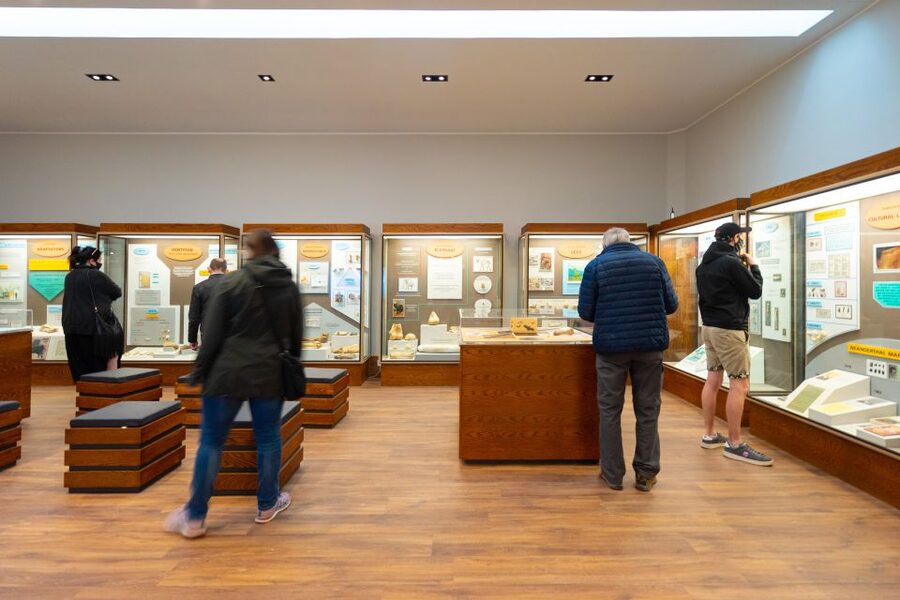
I would choose this tour if you are visiting Malta for the first time, have limited time, or want a clear introduction to prehistoric Malta. It suits anyone who likes archaeology but does not want to arrange several southern sites alone.
It is also a smart choice if you are based in Valletta, Sliema, St. Julian’s, or the northern resort areas and would rather avoid figuring out public transport. The included entry tickets and return transfer remove several small decisions from the day.
Families can enjoy it if children are interested in enormous stones, caves, ancient people, or outdoor exploring. The walking and sun are the parts to plan for. The same applies to older visitors and anyone with a mobility limitation.
I would hesitate if you prefer slow photography, long museum visits, or a private guide. You may feel hurried at the cave museum, and the temple time is fixed. A self-guided visit gives you more control, but you lose the practical ease and historical explanation that make this excursion worthwhile.
Should you book the Prehistoric Temples of Malta Tour?
Book it if you want to see Hagar Qim, Mnajdra, and Ghar Dalam in one organized morning, especially if Malta’s prehistory is new to you. The strongest reasons are the expert live commentary, included admission, and wide hotel pickup network.
Skip it if you want a very slow archaeological study or dislike shared transport and multiple pickups. For most people, though, $59 is a reasonable price for a guided half-day that combines Malta’s oldest monuments with an unusual prehistoric museum stop.
Check the pickup email the day before, bring water and sturdy shoes, and keep your schedule flexible around the walking and traffic. If you have extra time afterward, the National Museum of Archaeology in Valletta can help you connect the temple sites with objects found across Malta.
FAQ
How long does the tour last?
The activity lasts about 4.5 hours. The schedule includes transport, guided visits, and stops at Ghar Dalam Cave and Museum, Hagar Qim, and Mnajdra.
What is included in the price?
The $59 price includes transportation, a live guide, hotel pickup and drop-off, and entrance fees for Ghar Dalam Cave and Museum, Hagar Qim Temples, and Mnajdra Temples.
Which languages are available?
The live tour guide may provide commentary in English, German, Italian, or French.
Where can pickup take place?
Pickup areas include Cirkewwa, Mellieha, Xemxija, Golden Bay, St. Paul’s Bay, Bugibba, Qawra, St. Julian’s, Sliema, Valletta, and Attard. The exact pickup point and time are sent by email one day before the tour.
Is the tour suitable for someone with limited mobility?
The tour includes a walk between Hagar Qim and Mnajdra, with an uphill section on the return. Guides may explain the physical demands and available options, but you should contact the operator before booking to confirm the current access arrangements.
What should I bring?
Bring comfortable shoes. Water is also a practical choice, since the temple area can be hot and exposed.
Can I cancel the booking?
You can cancel up to 24 hours before the tour for a full refund. The activity also offers a reserve-now-and-pay-later option.
Just added around Malta
- Malta: 5 hr Vintage Bus Tour – Mdina & Blue Grotto inc. food★ 5.0 · 22 reviews
- Wakeboarding Adventure in Malta: Learn to Ride★ 5.0 · 4 reviews
- World War II Malta Full-Day Walking Tour★ 4.3 · 18 reviews
- Valletta Street Food & History Tour With Private Transfers★ 4.5 · 15 reviews
- Victoria, Gozo: Sunset Walking Food and Drink Tour★ 5.0 · 6 reviews
- Valletta & Mdina: Private Tour★ 4.5 · 16 reviews
- Valletta: Private Maltese Cuisine Walking Tour★ 4.8 · 8 reviews
- Valletta: Private Massage from a world renowned masseuse★ 4.6 · 9 reviews
Prehistoric Temples Tours, compared.
Prehistoric Temples, Limestone Heritage & Blue Grotto
Read our review →
Gozo Guided Day Trip Incl. Ggantija Temples and Lunch
Read our review →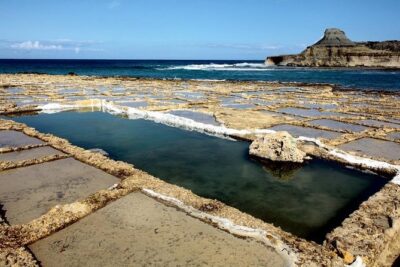
Gozo Full Day visiting Ggantija Temples, Salt Pans & Dwejra
Read our review →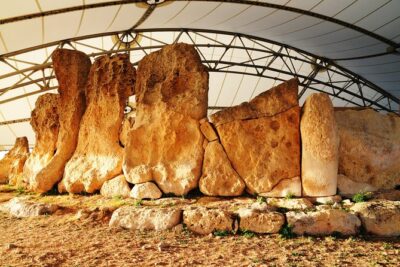
Gozo Full Day visiting Ggantija Temples, Salt Pans, Dwejra
Read our review →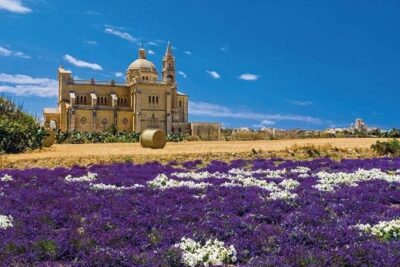
Discovering Gozo Full Day incl. Guide, Train & Ggantija Temples
Read our review →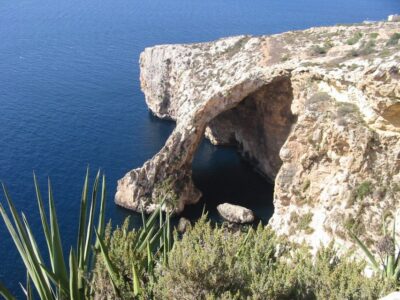
Southern Malta: Blue Grotto, Hagar Qim, and Marsaxlokk Tour
Read our review →Browse the lists this tour appears in