

REVIEW · HISTORICAL TOURS
The Limestone Heritage Park and Gardens (Entry Ticket)
Malta’s story is carved into limestone, and this family-run park in Siggiewi gives you a close look at that connection. You move from an audio-visual introduction to geology displays, a museum hall, a 400 B.C. Punic tomb, gardens, animals, and live stonework.
I like the 17-language audio presentation and walking guide, which let you set your own pace without being tied to a group. I also like the mix of indoor and outdoor stops, especially the live sculpting and the chance to make your own limestone piece for €5.
The main consideration is size. One recent visitor found the site smaller than expected, so this is best treated as a focused half-day outing with the option to linger, rather than a full day of nonstop activity. The advertised ticket remains valid for one day.
In This Review
- Key points to know before you go
- Why Maltese limestone matters in Siggiewi
- Start with the audio-visual presentation
- Follow the self-guided route through the park
- See geology, museum objects, and ancient stonework
- Watch the stonework demonstration
- Take a slower walk through the citrus garden
- Meet the animals at the farm park
- Make room for food and Maltese souvenirs
- How much time should you allow?
- Is the $11 ticket good value?
- Who will enjoy this park most?
- Booking, timing, and cancellation tips
- Should you book The Limestone Heritage Park?
- FAQ
- Where is The Limestone Heritage Park and Gardens?
- What is included with the entry ticket?
- Are audio guides available in languages other than English?
- How long is the ticket valid?
- Is food included in the ticket price?
- When is the park open?
Key points to know before you go
- A 400 B.C. Punic tomb adds a genuine ancient site to the park experience.
- Audio guides in 17 languages make the visit easy to follow without a personal guide.
- Live stonework demonstrations show how Maltese limestone becomes useful and decorative objects.
- The €5 limestone activity gives you a hands-on souvenir instead of another shop-bought trinket.
- Citrus gardens and a small animal farm make the park suitable for families and mixed-age groups.
- Saturday hours end at noon, so weekday visits offer more breathing room.
Why Maltese limestone matters in Siggiewi
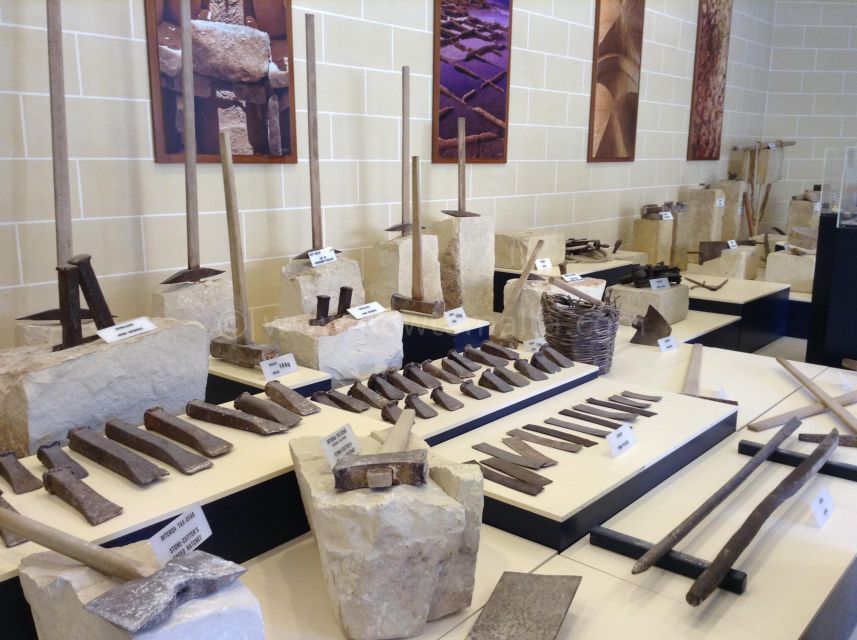
The Limestone Heritage Park is not simply a museum about rocks. It explains how limestone shaped Malta’s buildings, crafts, archaeology, and daily life over roughly 7,000 years.
That subject matters because stone is everywhere in Malta. The island’s pale limestone gives villages their warm color and has long been cut, shaped, and reused. At this park, you get a practical look at that work rather than only seeing finished churches and walls from the outside.
The setting in Siggiewi adds to the experience. This is a traditional Maltese village, not a large city attraction built around crowds and spectacle. The park blends displays with gardens and working demonstrations, making the subject easier to understand for adults and children alike.
I would not book this expecting a grand archaeological complex. The attraction is compact, and one visitor described it as smaller than expected. Its strength is the variety packed into the site: several short experiences, each showing a different side of Malta’s stone traditions.
A few more Malta trips to weigh up
- Malta: Prehistoric Temples, Limestone Heritage & Blue Grotto
★ 4.2 · 412 reviews - Maltese Islands History Audio-Visual Show and La Sacra Infermeria Tour
★ 4.0 · 344 reviews - Valletta: Self-Guided Historical Walking Tour (Audio Guide)
★ 3.7 · 251 reviews
Start with the audio-visual presentation
Your visit begins with an audio-visual presentation about Malta’s past and the importance of limestone. It gives you a useful framework before you walk around the grounds.
This opening is especially helpful if you have just arrived in Malta and do not yet know how the island’s geology connects to its architecture. The presentation links the natural material to human use, so later displays should feel less like separate exhibits and more like parts of one story.
The presentation is available in 17 languages:
- Maltese
- English
- French
- German
- Italian
- Dutch
- Russian
- Spanish
- Greek
- Portuguese
- Swedish
- Danish
- Finnish
- Norwegian
- Polish
- Chinese
- Japanese
English is also the language of the on-site host or greeter. The multilingual format makes this a practical choice for families or groups who do not all want to follow a live English-language explanation.
Do not rush through this first section. The park is small enough that you can give the presentation your full attention, then use the later walkthrough to connect what you heard with actual stone, tools, artifacts, and outdoor features.
Follow the self-guided route through the park
After the presentation, you follow an audio-guided walkthrough. This keeps the visit flexible. You can listen at your own pace, pause when a display catches your eye, and spend more time outdoors if that suits your group.
The guide is available in the same 17 languages as the presentation. That is a real advantage over attractions where the written material is limited or where you must join a fixed-time tour.
I would allow at least a couple of hours for the core visit, then add time for the gardens, farm, food, and stone activity. The ticket is valid for one entry on the booked day, and you can arrive at any point during opening hours. Since re-entry is not allowed, plan to see the indoor displays and outdoor areas before leaving.
The audio format also makes the attraction less demanding for families. Children can move at a manageable pace, while adults get context about the island’s material culture. The tradeoff is that you will not have a personal guide available to answer every question, since a guide is not included.
See geology, museum objects, and ancient stonework
The geology section gives you the natural starting point. Here you can focus on the stone itself and understand why limestone has been so useful in Malta.
The museum hall then shifts attention to human use. The exact display arrangement can change, but the purpose is clear: connect the island’s raw material with the objects, structures, and craft traditions made from it.
This combination is more useful than a geology display on its own. You are not just looking at samples and memorizing names. You are seeing how a local material became part of the island’s visual identity and working life.
The Punic tomb is the most specific ancient feature included with admission. Dating to about 400 B.C., it gives the park a direct archaeological point of interest. It is also a reminder that the area’s stone was used long before modern workshops and construction.
The tomb is not a substitute for Malta’s major archaeological sites, but it adds weight to the visit. You are seeing an actual ancient feature within a broader attraction, not only a modern recreation or a panel about the past.
Same islands, a completely different day out:
- Malta: Gozo & Comino Islands, Blue Lagoon & Seacaves Tour
★ 4.5 · 15,672 reviews - Comino: Blue Lagoon, Crystal Lagoon, and Seacaves Tour
★ 4.6 · 5,673 reviews - Malta: Blue Lagoon, Beaches & Bays Trip by Catamaran
★ 4.7 · 5,496 reviews - Malta: Gozo, Comino, Blue & Crystal Lagoon, & Caves Cruise
★ 4.6 · 5,092 reviews
Watch the stonework demonstration
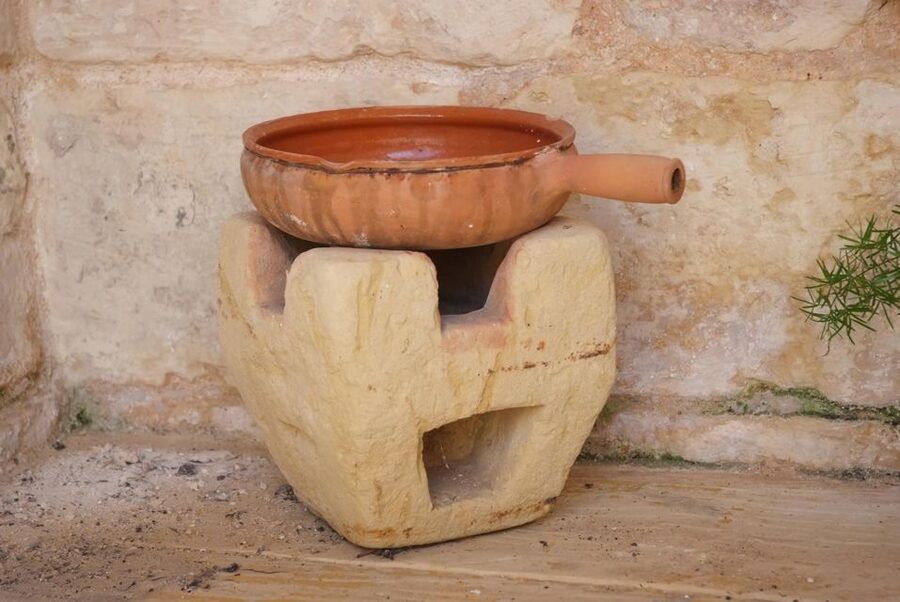
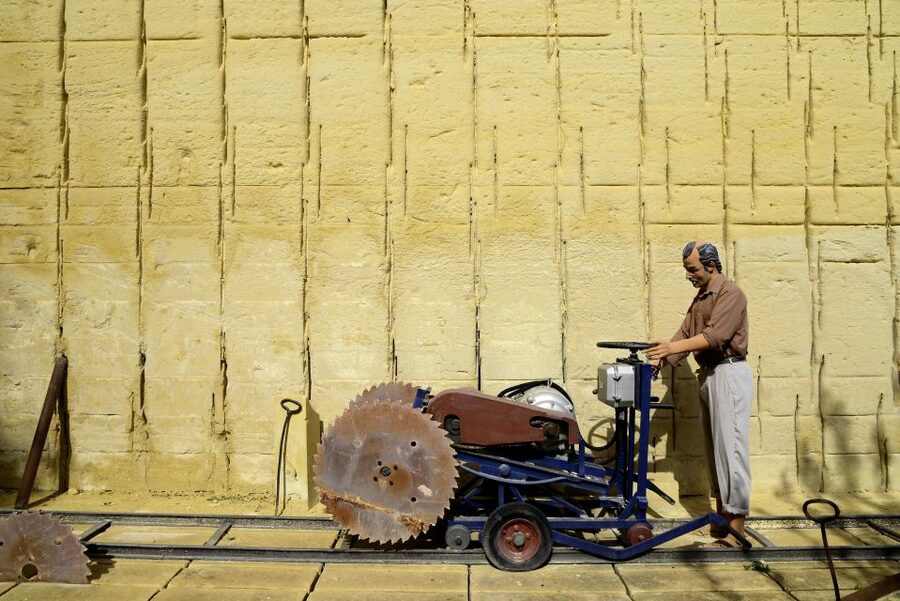
The live stonework demonstration is where the park’s subject becomes physical. Instead of only hearing how limestone was shaped, you get to watch the process in action.
This is likely to be one of the most memorable parts for anyone curious about Maltese craft. Stonework looks simple from a distance, but the demonstration shows that useful and decorative carving depends on patience, control, and a feel for the material.
The activity also gives younger visitors something concrete to watch. Museum displays can lose children quickly. A person working stone provides movement and a clear result.
The schedule for demonstrations is not specified, so ask about the timing when you arrive. If this is a priority, do not assume you can turn up at the final minutes of the day and catch it. The Saturday closing time is noon, and last entry is 30 minutes before closing.
You can also choose to create your own limestone piece for €5. This extra activity is not part of the $11 admission price, but it gives you a useful way to spend more time at the park and take home something you made yourself.
Take a slower walk through the citrus garden
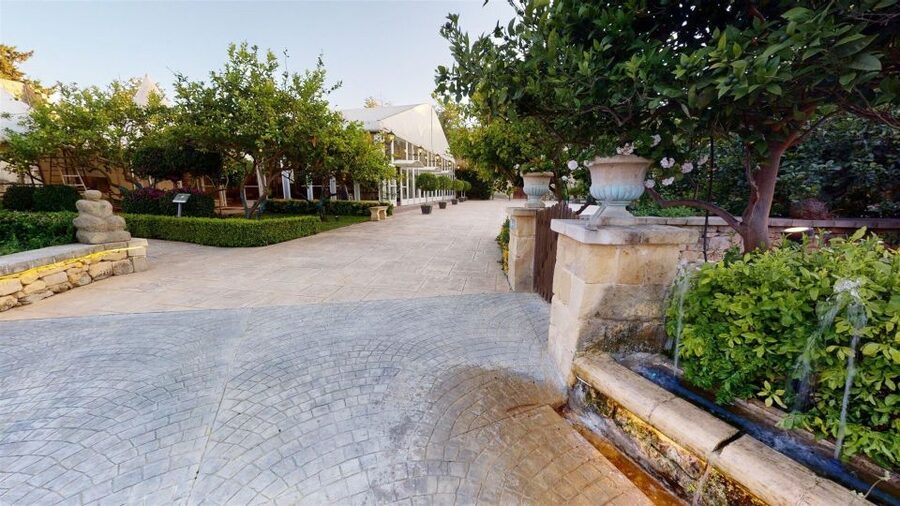
The citrus garden changes the mood after the indoor displays and stonework. It gives you a quiet outdoor pause and shows that the park is not built around exhibits alone.
I would save this area for the middle or end of your visit. After the audio presentation and museum sections, the garden offers a gentler stretch where you can walk, sit, and enjoy the countryside setting.
The garden is included in the ticket, but food and drinks are not. You can buy tea, coffee, and snacks on site, including a Maltese platter and Maltese tuna ftira. These give you a chance to try local flavors without turning the visit into a formal restaurant stop.
Keep your expectations practical. The attraction is a small park, not a vast botanical garden. Its value comes from the contrast between stone, plants, animals, and rural surroundings.
Meet the animals at the farm park
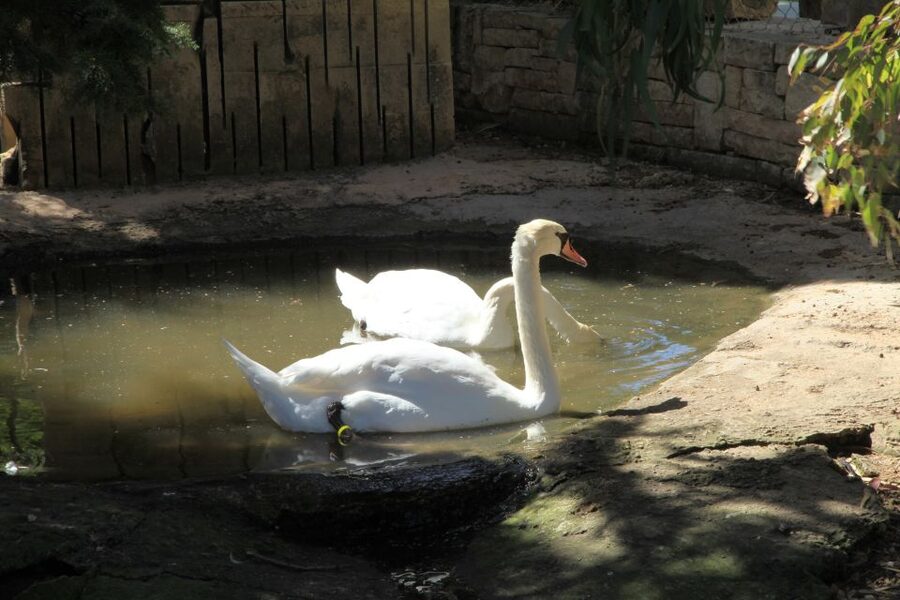
The farm animal area is another reason this attraction works well for families. It breaks up the historical material with a simple, approachable stop.
Younger children may remember the animals more clearly than the geology displays. Adults can use the area as a relaxed pause before returning to the museum or workshop sections.
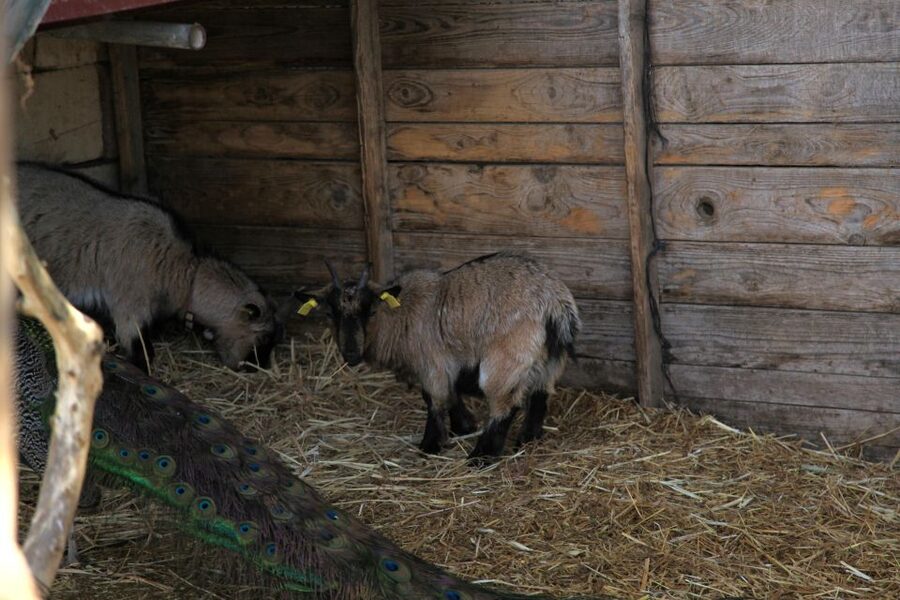
The information provided does not specify which animals are kept there, so I would treat it as a small farm area rather than expecting a large zoo. That is also why the park suits a mixed group: some people can focus on history and craft, while others enjoy the garden and animals.
Because the farm is outdoors, comfortable shoes and protection from the sun are sensible choices. Those are general Malta visit precautions rather than special requirements, but they matter when you are moving between several outdoor areas.
Make room for food and Maltese souvenirs
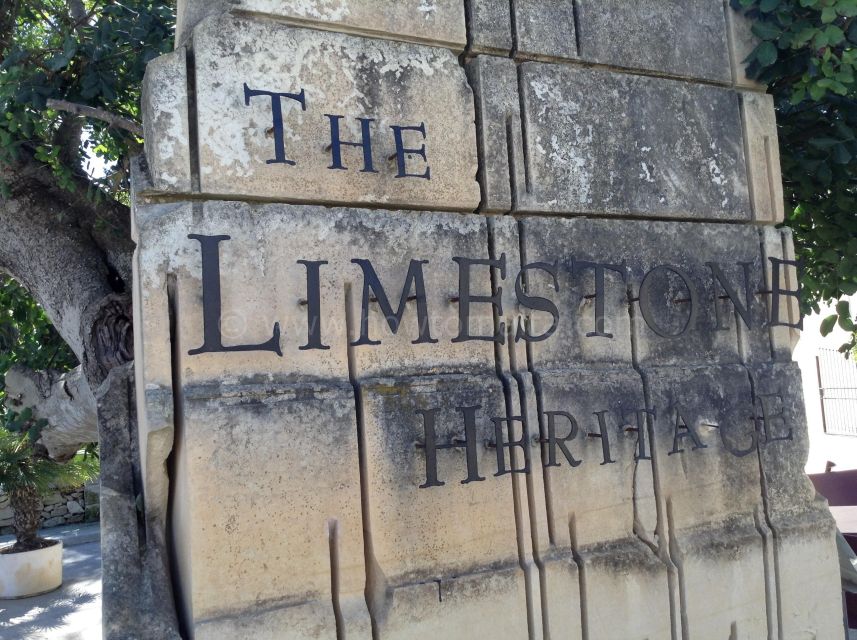
The on-site café area lets you extend the visit without rushing away. You can order tea or coffee and try snacks such as the Maltese platter or tuna ftira.
Food and drinks cost extra, so include them in your budget if you plan to stay longer. The chance to eat in peaceful surroundings is useful, particularly for families who need a break between activities.
The shop sells genuine Maltese goods and stone souvenirs. You are not required to buy anything, but browsing makes sense after seeing the stonework demonstration. You will have a better idea of the labor behind carved objects, which can help you judge whether a souvenir is worth its price.
The €5 limestone-making activity may be a better choice for some people than a finished object. It gives you a personal connection to the material and turns the visit into something you actively do, not only something you watch.
How much time should you allow?
The ticket lasts for one day, but the attraction does not promise a fixed full-day program. The park is described as smaller than expected by one recent visitor, and I think that is useful advice when planning.
For a quick visit, you could focus on the audio-visual presentation, audio walkthrough, museum hall, geology section, and Punic tomb. If you add the demonstration, farm, citrus garden, café, and limestone activity, the visit becomes more relaxed and substantial.
The best approach is to pair the park with another nearby Malta stop if you want a full day of sightseeing. Do not book it as your only major activity from morning until evening unless you are happy to move slowly, eat on site, and spend time in the gardens.
Opening hours are:
- Monday to Friday, 9:00 a.m. to 4:00 p.m.
- Saturday, 9:00 a.m. to noon
- Closed Sunday and public holidays
Last entry is 30 minutes before closing. Opening times can change, so confirm them with the activity provider during your stay, especially around Malta’s public holidays.
Is the $11 ticket good value?
At $11 per person, admission is fairly priced for a compact attraction that combines several elements. You receive the audio-visual presentation, multilingual audio walk, museum hall, geology section, Punic tomb, citrus garden, animal park, and live stonework demonstration.
The value improves if you use the site as a flexible half-day stop rather than expecting a large, all-day theme park. You can go beyond passive sightseeing with the optional €5 limestone activity, then add food or coffee if you want to linger.
The value is less convincing if your main interest is only major ancient monuments. The Punic tomb is a worthwhile feature, but this is primarily an interpretation and craft attraction, not one of Malta’s largest archaeological sites.
The current rating is 4.7 from 27 reviews, with especially strong praise for the attraction’s uniqueness. That fits the experience well: the park brings together geology, craft, archaeology, animals, and gardens in a way you will not find at a standard museum.
Who will enjoy this park most?
I would recommend it most strongly to:
- Families who want history mixed with animals and outdoor space
- Visitors curious about how Maltese buildings and crafts use limestone
- People who prefer self-guided sightseeing to a fixed group tour
- Anyone looking for an accessible attraction with multilingual support
- Visitors who enjoy hands-on activities and local souvenirs
- Adults who want a quieter stop in the countryside around Siggiewi
It may be less suitable if you want a large archaeological site, a long guided tour, or a packed schedule of major monuments. The absence of a personal guide means you need to be comfortable using the audio material and exploring independently.
The park is wheelchair accessible, which is helpful for visitors who need step-free access. The available information does not describe every surface or individual exhibit, so you can contact the provider if you need details about a particular mobility requirement.
Booking, timing, and cancellation tips
You can reserve now and pay later, which helps if your Malta plans are still changing. Free cancellation is available up to 24 hours in advance for a full refund.
Your ticket is valid only on the booked day, for one entry, during the opening hours. You may arrive at any hour within that window, but you cannot leave and re-enter.
For the best choice of time, I would use a weekday morning. You will have the widest opening window, and you will not face the tight Saturday schedule. If Saturday is your only option, arrive early because the site closes at noon.
There is no hotel pickup or drop-off included. Food and drinks, the optional €5 limestone activity, and purchases from the shop are also separate from admission.
Should you book The Limestone Heritage Park?
Book it if you want a friendly, unusual look at Malta through the material that shaped its villages, tombs, buildings, and crafts. The multilingual audio content, live stonework, farm, garden, and optional hands-on activity give the $11 ticket more range than a simple museum entry.
I would plan for a few unhurried hours, not a guaranteed full day. Arrive on a weekday morning, check the demonstration time, and consider adding the €5 limestone activity if you want a personal souvenir.
Skip it if your Malta schedule is already packed with major archaeological sites and you have little interest in craft or geology. For families, curious first-time visitors, and anyone seeking a quieter outing in Siggiewi, this is a sensible and good-value addition.
FAQ
Where is The Limestone Heritage Park and Gardens?
The attraction is located in Siggiewi, a traditional Maltese village in Malta.
What is included with the entry ticket?
Admission includes the audio-visual presentation, audio-guided walkthrough, museum hall, geology section, Punic tomb, citrus garden, farm animal park, and live stonework demonstrations.
Are audio guides available in languages other than English?
Yes. The audio-visual presentation and audio-guided walkthrough are available in Maltese, English, French, German, Italian, Dutch, Russian, Spanish, Greek, Portuguese, Swedish, Danish, Finnish, Norwegian, Polish, Chinese, and Japanese.
How long is the ticket valid?
The ticket is valid for one day, on the booked date, during the attraction’s opening hours. It allows one entry only, with no re-entry.
Is food included in the ticket price?
No. Food and drinks are not included. Tea, coffee, a Maltese platter, Maltese tuna ftira, and other snacks are available for purchase on site.
When is the park open?
It is open Monday through Friday from 9:00 a.m. to 4:00 p.m. and Saturday from 9:00 a.m. to noon. It is closed on Sundays and public holidays. Last entry is 30 minutes before closing, and opening times may change.
Just added around Malta
- Malta: 5 hr Vintage Bus Tour – Mdina & Blue Grotto inc. food★ 5.0 · 22 reviews
- Wakeboarding Adventure in Malta: Learn to Ride★ 5.0 · 4 reviews
- World War II Malta Full-Day Walking Tour★ 4.3 · 18 reviews
- Valletta Street Food & History Tour With Private Transfers★ 4.5 · 15 reviews
- Victoria, Gozo: Sunset Walking Food and Drink Tour★ 5.0 · 6 reviews
- Valletta: Private Massage from a world renowned masseuse★ 4.6 · 9 reviews
- Valletta & Mdina: Private Tour★ 4.5 · 16 reviews
- Valletta: Private Maltese Cuisine Walking Tour★ 4.8 · 8 reviews
Historical Tours, compared.
Prehistoric Temples, Limestone Heritage & Blue Grotto
Read our review →
Maltese Islands History Audio-Visual Show and La Sacra Infermeria Tour
Read our review →
Self-Guided Historical Walking Tour (Audio Guide)
Read our review →
Wonderful Valletta, gastronomy, art, and history in the Mediterranean
Read our review →



Browse the lists this tour appears in