
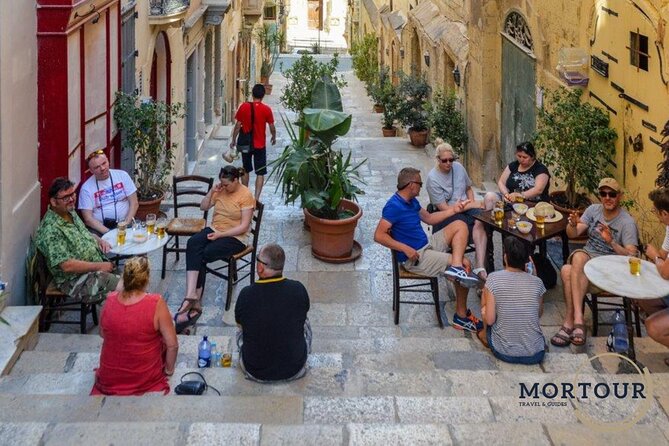
REVIEW · HISTORICAL TOURS
Wonderful Valletta, gastronomy, art, and history in the Mediterranean
Valletta packs centuries of Mediterranean conflict, art, and daily life into a compact two-hour walk. Starting at Victoria Gate and finishing at St. John’s Co-Cathedral, this small-group tour links the city’s Knights, British, Italian, and Maltese influences without requiring a full day on your feet.
I like the local food angle, especially the introduction to pastizzi and advice on where to eat, drink, and hear jazz. I also like the chance to see Valletta through a guide’s personal lens, with guides such as Luis, Moises, and Julia praised for warmth, energy, and practical suggestions. The main caution is that the food and art portions may be lighter than the title suggests, and one account describes only a local liqueur tasting rather than a full food experience.
In This Review
- Key points to know before booking
- A compact introduction to Valletta’s past
- Beginning at Victoria Gate
- Narrow lanes, old buildings, and Caravaggio
- The Knights, Napoleon, Britain, and wartime Malta
- Maltese food, pastizzi, and the limits of the tasting
- Art beyond one famous painter
- Finishing at St. John’s Co-Cathedral
- Guide quality and group size
- Is $54.31 a fair price?
- Timing, confirmation, and practical planning
- Who should book this Valletta walk?
- Should you book it?
- FAQ
- How long is the Valletta tour?
- Where does the tour begin?
- Where does the tour end?
- What language is the tour offered in?
- How many people can join the tour?
- What food is connected with the tour?
- Does the tour include admission to St. John’s Co-Cathedral?
- Is the tour suitable for most people?
- Can I cancel for a full refund?
Key points to know before booking
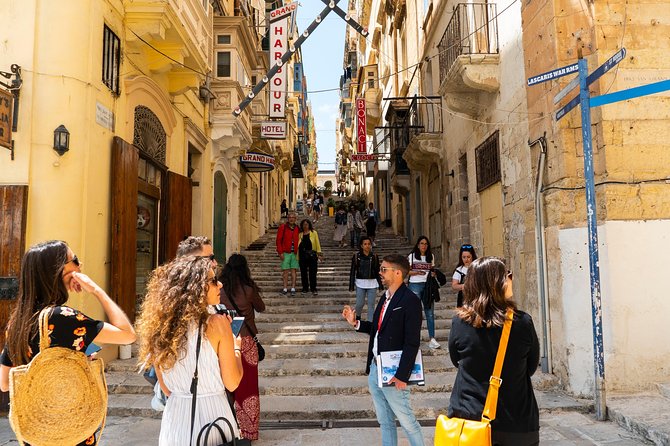
- Victoria Gate to St. John’s Co-Cathedral: The route crosses Valletta’s historic core and ends at one of its best-known landmarks.
- A maximum of 10 people: The small group should make it easier to hear the guide and ask questions.
- History with a Caravaggio connection: The walk includes the alleys linked with the painter’s escape from justice.
- Maltese food guidance: You should receive an introduction to pastizzi and suggestions for pizza, drinks, and local dishes, but the exact tasting is not clearly fixed.
- Strong guide-focused feedback: Luis, Moises, and Julia are singled out for friendliness, enthusiasm, and personal attention.
- A few practical concerns: Meeting details and scheduling have caused problems for some customers, so check the final confirmation carefully.
A compact introduction to Valletta’s past
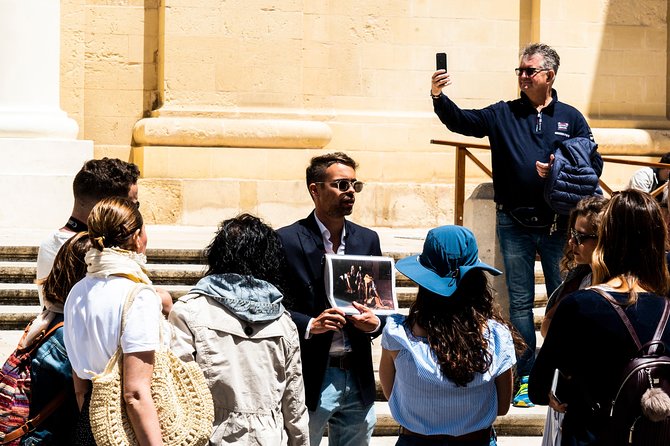
Valletta is the smallest capital city in the European Union by population, with fewer than 6,000 inhabitants. Its size works in your favor here. You can move from a city gate to grand religious buildings, narrow lanes, harbor views, and busy local streets in a short time.
The tour presents Valletta as a prize fought over by major powers. The Ottoman Empire, the Knights, Napoleon, Britain, and the Third Reich all form part of the story. That broad sweep gives you useful context before you visit the city’s museums, churches, and fortifications on your own.
The focus is not only on grand events. The guide is also meant to explain how Valletta developed from its early sixteenth-century foundations and how ordinary life fits around the formal stone architecture. This balance matters because Valletta can feel like an open-air monument at first glance. A local guide can help you see it as a lived-in city rather than only a collection of façades.
The city was named European Capital of Culture in 2018, another clue to the range of its artistic and cultural life. You should not expect a full museum tour during this walk, but the route can give you a useful map of what deserves more time later.
A few more Malta trips to weigh up
- Malta: Prehistoric Temples, Limestone Heritage & Blue Grotto
★ 4.2 · 412 reviews - Maltese Islands History Audio-Visual Show and La Sacra Infermeria Tour
★ 4.0 · 344 reviews - Valletta: Self-Guided Historical Walking Tour (Audio Guide)
★ 3.7 · 251 reviews
Beginning at Victoria Gate
The meeting point is Victoria Gate, listed at Liesse in Valletta. This is a practical starting place because it puts you at the edge of the old city and lets the walk move inward through the historic center.
The gate helps frame Valletta’s defensive purpose. The city was not laid out by accident. Its walls, gates, and position around the harbor reflect a period when control of Malta meant control of important Mediterranean sea routes.
From here, the guide introduces the city’s origins and the forces that shaped it. You will hear about the Knights and the city’s connection to the wider struggles between Christian Europe and the Ottoman Empire. The precise amount of military detail will depend on the guide, but the walk is designed to make those larger events readable in the streets around you.
This is also a good point to get your bearings. Valletta is easy to explore once you understand its main axis, but the side streets can twist away quickly. Since the tour lasts about two hours, the guide’s route should help you recognize the areas worth revisiting after the walk.
Narrow lanes, old buildings, and Caravaggio
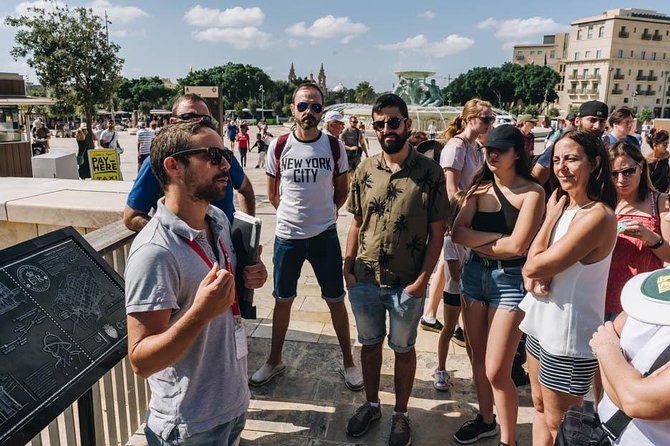
One of the most distinctive parts of the route is the attention to the alleys connected with Caravaggio’s escape from justice. The painter spent time in Malta and left behind an important artistic connection, but his stay was also marked by trouble with the law.
That detail gives the walk a human edge. You are not only hearing about rulers and military orders. You are following the story of a famous artist moving through the same tight streets that still shape the city’s character.
The route also points out historic buildings dating from the early sixteenth century. The age of these structures is important, but so is the way they sit among later additions, shops, cafés, and working streets. A good guide can help you separate confirmed history from local stories, a distinction worth keeping in mind in Valletta.
This is one area where the experience may vary. Most of the published feedback praises the guides for clear explanations and strong energy, while one critical account felt that legends were presented too much like established fact. If you care about exact historical sourcing, ask the guide when a story is documented and when it belongs to Maltese tradition.
The Knights, Napoleon, Britain, and wartime Malta
Valletta’s appeal comes from layers rather than one single chapter. The Knights created the city’s central identity, but Napoleon’s brief rule and Britain’s long presence left their own marks.
The British influence is still easy to notice in everyday details. The tour points to red telephone boxes and Malta’s English connection, including English as an official co-language. Those details can make the past feel close at hand. They also explain why Malta may feel familiar to English-speaking visitors while remaining unmistakably Mediterranean.
The Second World War adds another serious layer. Malta’s position made it a target and a strategic base, placing the island at the center of the Mediterranean war effort. The tour’s exact treatment of this period is not specified, so you should see it as part of the wider historical frame rather than expect a dedicated wartime lecture.
Some guides also bring current Maltese politics into the conversation. That can be useful if you want to understand how the country sees itself today, but it may not suit you if you booked mainly for architecture and past events. One negative account felt that present-day politics took too much time from history. This is a fair point to consider, particularly on a short tour.
Same islands, a completely different day out:
- Malta: Gozo & Comino Islands, Blue Lagoon & Seacaves Tour
★ 4.5 · 15,672 reviews - Comino: Blue Lagoon, Crystal Lagoon, and Seacaves Tour
★ 4.6 · 5,673 reviews - Malta: Blue Lagoon, Beaches & Bays Trip by Catamaran
★ 4.7 · 5,496 reviews - Malta: Gozo, Comino, Blue & Crystal Lagoon, & Caves Cruise
★ 4.6 · 5,092 reviews
Maltese food, pastizzi, and the limits of the tasting
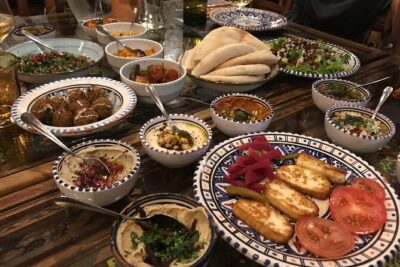
The tour promises a food connection, and that is one of its more appealing ideas. Maltese cooking reflects the island’s position between cultures, with Italian influence sitting alongside local traditions and the marks of British rule.
Pastizzi are the obvious introduction. These small pastries are closely associated with Malta and are a practical food to try during a city walk. The tour is intended to point you toward the famous snack and explain where to find good local dishes afterward.
The guide may also suggest places for pizza, cocktails, and jazz. That reference to the dolce vita period gives the food section a social angle. You are not simply being told what to eat. You are being shown how Valletta’s cafés, drinks, and evening habits fit into the city’s modern identity.
Still, keep your expectations measured. The food description does not set out a detailed tasting menu, a number of stops, or a guaranteed serving of pastizzi. One account described the food element as a single local liqueur tasting. That means you should book this primarily as a walking tour with food advice, not as a dedicated gastronomy tour.
If you want to eat pastizzi during the experience, confirm the plan with the operator before setting out. If tasting is limited, the restaurant and café recommendations could still be useful, especially because you will finish with a better sense of where to return for lunch, an evening drink, or live jazz.
Art beyond one famous painter
Caravaggio is the clearest art connection in the tour description. His time in Malta gives the city a dramatic artistic story, and the route’s attention to his escape helps connect art with the streets where he lived and moved.
The artistic coverage appears to be more interpretive than museum-based. You should not expect a long visit inside a gallery or a close study of several paintings. Instead, the guide uses Caravaggio as a doorway into Valletta’s cultural past.
That can work well during a short walk. You get a reason to notice the city’s religious buildings, old lanes, and links with the Knights without spending the full afternoon indoors. If Caravaggio is your main interest, you may want to continue afterward at St. John’s Co-Cathedral, where the famous artist’s Malta connection can be explored in greater depth.
The route ends at the cathedral on Triq San Gwann. The tour does not state that admission is included, so treat the ending as a useful location for your next stop rather than assume you will receive an interior visit.
Finishing at St. John’s Co-Cathedral

Ending at St. John’s Co-Cathedral is a strong choice. The building is one of Valletta’s signature sights and a natural place to continue learning about the Knights, religious art, and the city’s ceremonial side.
The final location also gives you flexibility. You can stop for a meal, explore nearby streets, or visit the cathedral if you have not already done so. Since the tour does not list admission as part of the experience, budget separately if you plan to go inside.
A good walking tour should leave you with more than a set of photographs. It should help you decide what deserves a closer look. This ending does that by placing you near one of the city’s major cultural attractions rather than sending you back to the starting point.
It also makes the tour useful on your first day in Valletta. You can use the route to understand the city, then return to the areas that caught your attention. Guides are reported to give further advice about what to see, where to eat, and where to drink, which is especially helpful when your time in Malta is short.
Guide quality and group size
The people leading this experience are central to its appeal. Luis is praised for being friendly, talkative, and well informed, while Moises is described as warm, energetic, and interested in treating visitors like friends. Julia is singled out for professional service and for making sure everyone felt comfortable.
Those details suggest a personal style rather than a formal lecture. You can expect conversation, anecdotes, and recommendations alongside the main historical material. That approach suits you if you prefer a guide who responds to questions and shares a local point of view.
The maximum group size is 10 people. This is small enough for the guide to keep the group together and answer questions without shouting across a crowd. It also makes the walk more social, though your experience will still depend on how actively the group participates.
The guide style is not perfectly uniform. One account appreciated the enthusiasm but wanted more evidence-based history and less politics. I would treat that as a reason to ask questions and set your expectations, not as proof that every departure follows the same pattern.
Is $54.31 a fair price?
At $54.31 per person, this is not an inexpensive casual stroll. The value depends on what you want from the two hours.
The price makes more sense if you value a small group, a human guide, historical orientation, and useful food and nightlife suggestions. A strong guide can save you time in Valletta by explaining the city’s layout and helping you decide what to do next. The route also combines several subjects that would otherwise require separate research: the Knights, Caravaggio, British influence, local food, and present-day life.
The value is weaker if you expect a substantial meal, several tastings, cathedral admission, or a detailed art tour. None of those extras is clearly included. The title suggests gastronomy, art, and history, but the actual balance may lean toward history and local commentary, with food as a smaller part.
The 4.7 out of 5 score from 72 ratings and the 92 percent recommendation rate point to generally strong satisfaction. At the same time, the low scores raise practical concerns about cancellations, meeting instructions, and whether the content matches the advertised emphasis. I would compare the price with a standard city walk and book only if the personal guide format appeals to you.
Timing, confirmation, and practical planning
The experience runs for about two hours and is offered daily between 11 a.m. and 5 p.m. The exact start time should be confirmed for your booking. Since the tour begins at Victoria Gate and ends at St. John’s Co-Cathedral, plan your day around a one-way walk rather than an outing that returns you to the gate.
Mobile tickets are accepted, and the tour is offered in English. It is near public transportation, service animals are allowed, and most people can take part. The experience requires good weather and a minimum number of participants.
Confirmation is normally sent at booking unless you book within eight hours of departure. In that case, confirmation may arrive later, subject to availability. A few problems have been reported with late time confirmation and an unclear meeting location, so check the final message carefully instead of relying only on the initial booking page.
Free cancellation is available up to 24 hours before the start time. Cancellations or changes made within 24 hours are not refunded or accepted. If poor weather or a failure to reach the minimum group size cancels the outing, you are offered another date, another experience, or a full refund.
Who should book this Valletta walk?
I would recommend it to first-time visitors who want a fast orientation before exploring Valletta on their own. It is also a good fit if you enjoy stories about famous figures, want local suggestions for food and drinks, and prefer a group of no more than 10 people.
The tour may suit couples, small families, and friends who want a relaxed introduction rather than a strict academic lecture. Its two-hour length leaves room for the cathedral, lunch, or another attraction afterward.
I would be more cautious if your priority is a serious food tour, a detailed Caravaggio study, or tightly sourced political and military history. In that case, ask in advance how much time will be given to tastings, art, and current affairs.
Should you book it?
Book this walk if you want a friendly guide, a compact route through Valletta, and practical ideas for eating and drinking after the tour. The strongest reason to choose it is the guide-led local perspective, particularly if Luis, Moises, or Julia is leading your departure.
Do not book it expecting a full meal or guaranteed series of tastings. Also confirm the meeting time and location before the day itself. For many first visits, the combination of Victoria Gate, Caravaggio stories, early buildings, Knights-era history, and a finish near St. John’s Co-Cathedral should provide a useful start. Just keep the food and art claims in proportion to the two-hour format.
FAQ
How long is the Valletta tour?
The tour lasts approximately two hours.
Where does the tour begin?
The meeting point is Victoria Gate, listed at Liesse in Il-Belt Valletta, Malta.
Where does the tour end?
The walk ends at St. John’s Co-Cathedral on Triq San Gwann in Valletta.
What language is the tour offered in?
The tour is offered in English.
How many people can join the tour?
The maximum group size is 10 participants.
What food is connected with the tour?
The experience introduces Maltese gastronomy, including the famous pastizzi, and may provide suggestions for pizza, cocktails, jazz venues, and local dishes. The exact tasting details are not specified.
Does the tour include admission to St. John’s Co-Cathedral?
The provided details do not state that cathedral admission is included.
Is the tour suitable for most people?
Most people can participate. Service animals are allowed, and the tour is near public transportation.
Can I cancel for a full refund?
Yes. You can cancel at least 24 hours before the experience start time for a full refund. Changes or cancellations made less than 24 hours before the start time are not accepted or refunded.
Just added around Malta
- Malta: 5 hr Vintage Bus Tour – Mdina & Blue Grotto inc. food★ 5.0 · 22 reviews
- Wakeboarding Adventure in Malta: Learn to Ride★ 5.0 · 4 reviews
- World War II Malta Full-Day Walking Tour★ 4.3 · 18 reviews
- Valletta Street Food & History Tour With Private Transfers★ 4.5 · 15 reviews
- Victoria, Gozo: Sunset Walking Food and Drink Tour★ 5.0 · 6 reviews
- Valletta & Mdina: Private Tour★ 4.5 · 16 reviews
- Valletta: Private Maltese Cuisine Walking Tour★ 4.8 · 8 reviews
- Valletta: Private Massage from a world renowned masseuse★ 4.6 · 9 reviews
Historical Tours, compared.
Prehistoric Temples, Limestone Heritage & Blue Grotto
Read our review →
Maltese Islands History Audio-Visual Show and La Sacra Infermeria Tour
Read our review →
Self-Guided Historical Walking Tour (Audio Guide)
Read our review →

The Limestone Heritage Park and Gardens (Entry Ticket)
Read our review →
Browse the lists this tour appears in