
REVIEW · HISTORICAL TOURS
The Taste and History of Valletta
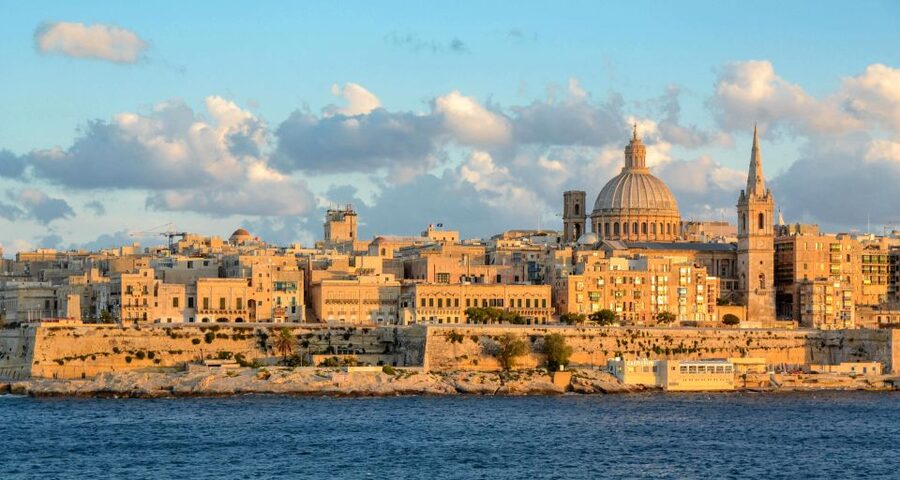
Valletta makes a fine dining room, with honey-colored stone streets, grand churches, and small food stops tucked between them. This 3.5-hour food walk links Maltese dishes to the city’s past, beginning outside St John’s Co-Cathedral and finishing near Pjazza Jean de Valette.
I like the generous portions and the sensible spacing between stops, which lets you eat without feeling rushed. I also like that the tour uses ordinary local foods, from pastizzi and ftira to Maltese wine and chocolate, rather than turning the meal into a string of fancy samples. The main consideration is the $118 price: it is a substantial outlay, and the English-only tour may feel less engaging if you prefer a very talkative guide during the seated meal breaks.
In This Review
- Key points to know before you book
- Starting outside St John’s Co-Cathedral
- Coffee and pastries at a Valletta landmark
- Ftira, soft drink, and everyday Maltese flavor
- A meal inside an 1874 building
- Valletta’s fortress story between the tastings
- Chocolate closes the route
- What the $118 price really buys you
- Who will enjoy this walk most
- Practical advice for a better day
- Should you book The Taste and History of Valletta?
- FAQ
- Where does the tour meet?
- Where does the tour finish?
- How long does the experience last?
- What food and drink are included?
- What language is the tour conducted in?
- Can I cancel the booking?
Key points to know before you book
- A full meal spread over Valletta: Expect coffee, pastries, ftira, snacks, traditional dishes, wine or local beer, and chocolate.
- History comes between bites: Your guide explains Valletta’s fortress role, architecture, UNESCO status, and changing food traditions.
- The first stop has 180 years of stories: A long-running Maltese landmark provides the setting for traditional coffee and pastries.
- Small groups keep the walk personal: The format is designed for an intimate guided experience rather than a large group procession.
- Plan for plenty of walking: Comfortable shoes matter on a three-and-a-half-hour route through Valletta.
- Guide quality can shape the day: Andrew and Caroline are named as especially engaging hosts, though the guide assigned to your departure may differ.
Starting outside St John’s Co-Cathedral
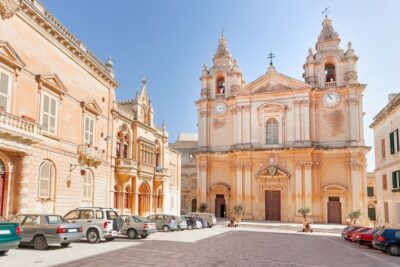
The meeting point is in front of St John’s Co-Cathedral at Misrah San Gwann, or St John’s Square. That gives you an easy landmark in the center of Valletta, though the square can be busy with people coming and going around one of Malta’s best-known buildings.
From here, the tour sets out on foot. You are not being moved between restaurants by vehicle, so the city itself becomes part of the experience. That matters in Valletta, where a short walk can reveal a fortress wall, a formal square, a narrow lane, or an ornate facade that you might otherwise pass without context.
The guide speaks English, and the group is kept small. That usually makes it easier to ask about ingredients, local customs, or places to eat later in your stay. It also means you should expect a social walking tour, not a private history lecture.
The pace is designed around food stops rather than a long march. Even so, wear proper walking shoes. The tour lasts three and a half hours, and you will be on your feet for much of it.
A few more Valletta trips to weigh up
- Valletta: Self-Guided Historical Walking Tour (Audio Guide)
★ 3.7 · 251 reviews - Heritage Pass in Malta
★ 3.5 · 14 reviews - Hagar Qim temple (UNESCO) and Limestone Heritage guided tour
★ 3.5 · 11 reviews
Coffee and pastries at a Valletta landmark
The first food stop takes you to a Maltese landmark with more than 180 years of stories. The setting is important here. You are not simply handed a pastry in a modern cafe, then sent on your way. The guide uses the place to explain its lasting role in local life and to connect everyday eating with Valletta’s past.
You taste traditional coffee alongside different pastries. The exact selection can vary, but the point is to begin with familiar Maltese cafe culture: a warm drink, a sweet or savory bite, and a place with a long memory.
This is a good opening because it eases you into the tour. Coffee gives you time to meet the guide and fellow walkers, while the pastries offer a gentle introduction before the more filling stops. If you are mainly interested in Maltese food, this is also where the tour begins to show that local cuisine is not limited to one famous dish.
The historic setting adds value, but it also explains part of the price. You are paying for guided interpretation as well as food. If you already know Valletta well and only want a cheap breakfast, this stop alone would not justify the booking. As part of a connected route, it works much better.
Ftira, soft drink, and everyday Maltese flavor
Next comes a local snackbar, where you taste ftira with Malta’s own soft drink or its award-winning beer. Ftira is one of the foods that helps you understand how Maltese cooking fits daily life. It is practical, filling, and suited to a quick meal, which makes a snackbar a fitting place to try it.
The beverage choice gives you some flexibility. You can choose the local soft drink if you do not drink alcohol, or select Maltese beer if that better suits your taste. The supplied details do not specify an alternative for other dietary or drink preferences, so ask the operator before booking if this matters to you.
This stop is useful because it moves beyond formal restaurant food. A walking food tour should show you what people actually eat between errands, work, and sightseeing. The ftira provides that everyday angle.
You may want to pace yourself here. The portions are described as generous across the tour, and this is only the second major food stop. It is tempting to finish everything quickly, but you still have traditional dishes, wine, and chocolate ahead.
A meal inside an 1874 building
The centerpiece of the route is a restaurant in an 1874 building that specializes in traditional Maltese cuisine. The building supplies a sense of place, while the meal gives you a more settled chance to taste several dishes together.
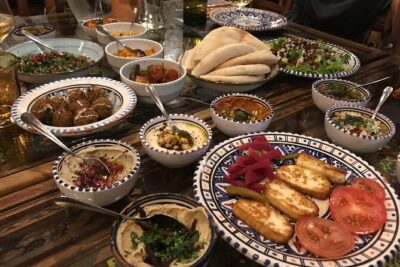
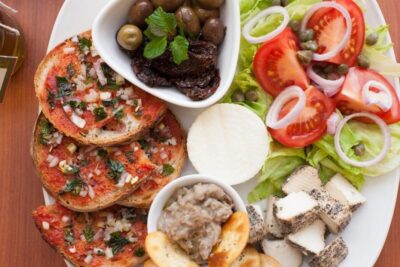
You receive a selection of Maltese foods paired with Maltese wine. This is where the tour shifts from snacks and cafe fare to the broader character of the national cuisine. Rather than judging one dish in isolation, you can compare flavors and see how the meal fits into the food traditions the guide has been describing.
The portions are said to be generous, and the stops are spaced so you have time to digest. That is an important practical detail. A food tour can quickly become uncomfortable when every stop arrives too close to the last one. Here, the walking and historical commentary help create a natural break between tastings.
There is one small limitation to keep in mind. A seated meal can be a quieter part of the tour, and the guide may spend less time talking while everyone is eating. Andrew is praised for combining food with lively historical information, while Caroline is described as an engaging host. Still, the tone can depend on the individual guide and the moment.
If you want nonstop commentary, you may find the restaurant section less animated than the walking portions. I see that as a minor tradeoff. People also need time to eat, talk, and enjoy the meal without a running lecture.
Same islands, a completely different day out:
- From Malta: Full-Day Gozo UTV Tour with Lunch and Boat Ride
★ 4.6 · 4,408 reviews - The Original Valletta Walking Tour
★ 5.0 · 2,719 reviews - Valletta: 3-Hour Walking Tour
★ 4.7 · 1,605 reviews - From Malta: Full-Day Gozo Quad Tour with Lunch and Boat Ride
★ 4.8 · 1,419 reviews
Valletta’s fortress story between the tastings
The history is not decoration added between restaurants. It is the thread holding the route together. Your guide covers Valletta’s role as a fortress city, its architecture, important landmarks, UNESCO World Heritage status, and the way food traditions have changed over time.
That approach is especially helpful if this is your first day in Valletta. Food gives you regular pauses, while the walking commentary helps you understand why the city looks so formal and compact. You learn to read the streets as part of a planned defensive city rather than as a random collection of old buildings.
The route also gives you a useful introduction to modern Valletta. One of the strongest aspects of the experience is the balance between historic facts and present-day food. You are not only hearing about old buildings from a distance. You are entering places where local eating still takes place.
Guide style matters here. Andrew is described as offering both food information and historical detail, while Caroline is noted for explaining facts in an engaging way. If your guide is quieter during meal breaks, use the walking sections to ask questions. Small groups make that easier.
The history will not replace a dedicated museum tour or a full visit inside every landmark. Instead, it provides a clear framework for the city. I would treat this as an excellent orientation to Valletta, not as the final word on Maltese history.
Chocolate closes the route
The final stop is a chocolate shop making chocolates in Malta. It is a pleasant way to finish because it gives the tour a clear ending, rather than leaving you after one last savory plate with no sense of closure.
The chocolate also shows another side of local food production. You have moved from old cafe customs to street food, a traditional restaurant, local wine or beer, and finally a modern sweet shop. That range is more useful than tasting several versions of the same pastry.
By this point, you should have eaten well. The final chocolate stop is best treated as a small indulgence rather than a full dessert course. If you have a sweet tooth, it may be one of your favorite parts. If you prefer savory foods, it is still a simple finish and a chance to see what is made locally.
The tour ends at Pjazza Jean de Valette. This is practical for continuing your sightseeing or finding your way to another central Valletta stop. The experience is not a round trip, so remember that you finish in a different square from where you began.
What the $118 price really buys you
At $118 per person, this is not a budget snack crawl. The value depends on how much you want the food, history, and local guidance bundled together.
The price includes a guided walking tour, several culinary tastings, historical commentary, and a small-group format. You are also paying for a route that includes places you might not notice on your own, including the long-running cafe, the local snackbar, the restaurant in an 1874 building, and the Maltese chocolate shop.
The portions make the cost easier to justify. This is not a tour built around one bite at each stop. Coffee, pastries, ftira, street food, traditional dishes, wine, and chocolate can add up to a substantial meal. If you use it as lunch, you may avoid paying for another full meal that day.
The history adds another layer of value. A self-guided food outing could cost less, but you would need to find the venues, choose what to order, and provide your own explanation of Valletta. Here, the guide connects the stops and keeps the day moving.
Still, you should book with realistic expectations. This is best for someone who values convenience, context, and a broad taste of Maltese food. It is less suitable if your main goal is the lowest possible price, a private tour, or a highly specialized culinary class.
Who will enjoy this walk most
I would recommend this experience to first-time visitors who want an easy introduction to Valletta. The food keeps the walk lively, and the historical commentary helps you get your bearings without committing to a full-day sightseeing program.
It also suits people who like to sample rather than order one large dish. You try several parts of Maltese food culture, from pastries and ftira to a restaurant meal and locally made chocolate.
Couples, friends, and small families should appreciate the pace. The group format is intimate, but it is still a shared experience. You should be comfortable eating with other people and walking between stops.
This may not be the best match for strict dietary needs unless those needs are confirmed in advance. The available details do not list vegetarian, vegan, gluten-free, allergy, or other substitutions. Ask before booking rather than assuming the tasting menu can be changed.
It is also not ideal if you dislike walking or prefer to explore at your own pace. The route has a set structure, and the food stops are part of the timing. You gain a smooth experience, but you give up some independence.
Practical advice for a better day
Eat lightly before you arrive. The phrase come hungry is good advice here, since the tour includes generous servings at multiple stops.
Wear comfortable shoes and dress for the weather. Valletta’s climate can change, and layers are recommended. Bring any accessories you normally need for sun, wind, or rain.
Arrive at the front of St John’s Co-Cathedral with enough time to find the guide. The meeting point is clear, but a central square can be busy. The tour is in English, so you should be comfortable following historical and food explanations in that language.
Use the walking time wisely. Ask about ingredients, the places you visit, and where locals eat. The route can introduce you to venues you might never notice alone, and a good question may lead to useful ideas for the rest of your Malta stay.
If you drink alcohol, remember that Maltese wine or beer may be part of the tasting. The tour also offers a local soft drink at the snackbar, so you are not limited to alcohol at that stop.
Free cancellation is available up to 24 hours before the tour for a full refund, and you can reserve now while paying later. Those policies are useful if your Valletta plans are still shifting.
Should you book The Taste and History of Valletta?
Book it if you want a substantial introduction to Maltese food tied to the streets, buildings, and stories of Valletta. The broad range of tastings, generous portions, small group, and strong guide feedback make it more than a simple snack stop.
I especially like it as an early-trip activity. It can help you understand the city, fill in your lunch plans, and point you toward foods you may want to order again.
Think twice if $118 feels high for a walking meal, if you need guaranteed dietary adjustments, or if you want a private guide who talks constantly during every seated stop. For most food-minded first-time visitors, though, the combination of traditional dishes and city history offers a solid, convenient use of half a day.
FAQ
Where does the tour meet?
The guide waits in front of St John’s Co-Cathedral at Misrah San Gwann, also called St John’s Square.
Where does the tour finish?
The tour ends at Pjazza Jean de Valette.
How long does the experience last?
The walking food tour lasts 3.5 hours.
What food and drink are included?
You can expect traditional coffee, pastries, ftira, a local soft drink or Maltese beer, a selection of traditional Maltese dishes with Maltese wine, and chocolates made in Malta.
What language is the tour conducted in?
The tour is conducted in English with a live English-speaking guide.
Can I cancel the booking?
You can cancel up to 24 hours in advance for a full refund. You can also reserve now and pay later.
Just added around Valletta
- Malta: 5 hr Vintage Bus Tour – Mdina & Blue Grotto inc. food★ 5.0 · 22 reviews
- World War II Malta Full-Day Walking Tour★ 4.3 · 18 reviews
- Valletta: Private Maltese Cuisine Walking Tour★ 4.8 · 8 reviews
- Valletta & Mdina: Private Tour★ 4.5 · 16 reviews
- Valletta : Highlights & Hidden Gems Walking Tour★ 3.1 · 5 reviews
- Afternoon Harbours Cruise with Guide and Roundtrip Transfers★ 3.4 · 11 reviews
- Valletta: Food and Culture Private Tour★ 4.9 · 10 reviews
- Valletta: Guided Walking Tour★ 3.8 · 5 reviews
Historical Tours, compared.
Prehistoric Temples, Limestone Heritage & Blue Grotto
Read our review →
Maltese Islands History Audio-Visual Show and La Sacra Infermeria Tour
Read our review →
Self-Guided Historical Walking Tour (Audio Guide)
Read our review →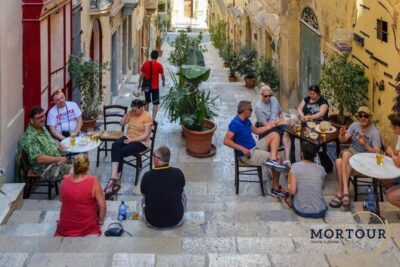
Wonderful Valletta, gastronomy, art, and history in the Mediterranean
Read our review →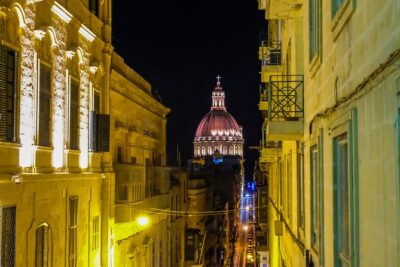
The Limestone Heritage Park and Gardens (Entry Ticket)
Read our review →Browse the lists this tour appears in